


There’s a quiet fear that some people never say out loud:
“If I stop drinking… will I still be me?”
If that thought has crossed your mind, you’re not alone. At Fountain Hills Recovery, we’ve walked beside creatives, performers, social connectors, and deeply sensitive people who weren’t just afraid to lose alcohol—they were afraid to lose themselves. And we’re here to tell you: alcohol addiction treatment isn’t the end of your identity. It’s the beginning of reclaiming it.
You Were Never Just the Life of the Party
Maybe alcohol helped you feel bold. Maybe it made it easier to be the funny one, the deep one, the flirty one. Maybe it’s what helped you dance, say what you really felt, or soften the rough edges of a long day. Over time, it may have started to feel like alcohol wasn’t just something you used—it was part of who you were.
But here’s what we’ve learned after walking with hundreds of people through this: the most magnetic parts of you were never made of alcohol. They were revealed through it. And they’re still there, even if they feel buried right now.
Treatment doesn’t mean giving up that spark. It means learning how to access it without burning yourself in the process.
When Sobriety Feels Like Silence
One of the most common things people say in early recovery is this:
“It’s like everything got quiet.”
The noise, the social momentum, the rituals, the emotional soundtrack that drinking created—it all goes still. That stillness can be disorienting. For people who’ve used alcohol to feel alive, passionate, or present, early sobriety can feel like being unplugged.
But here’s what’s important to know: quiet is not the same as empty.
That quiet space is where healing starts. It’s where you begin to hear yourself again—not the version of you smoothed over by intoxication, but the one who feels fully. And yes, it can be uncomfortable at first. You’re rebuilding your emotional fluency. But in that quiet, new sound returns—authentic, grounded, yours.
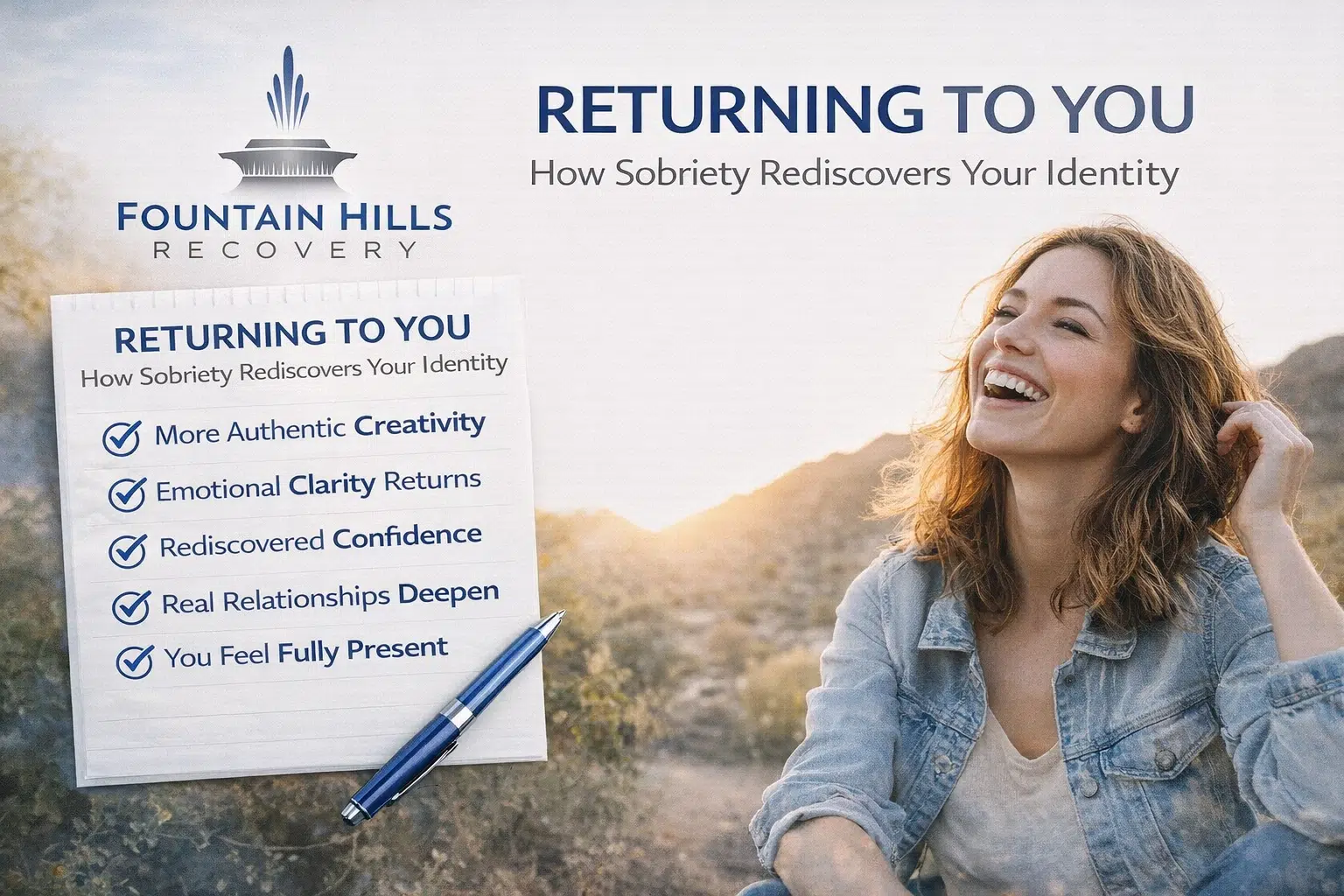
Creativity Without Chaos
For artists, musicians, writers, and anyone who thrives on emotional depth, alcohol can feel like fuel. It strips away inhibition. It opens up doors. It lets things pour out.
But over time, it also distorts your connection to your own creativity. It blurs the line between feeling and performing. It creates a dependency not just on the substance, but on the chaos it creates.
We want to say this clearly:
You do not have to suffer to create.
In treatment, many people are shocked to discover that their creativity doesn’t vanish—it sharpens. It deepens. It becomes less performative and more honest. There’s room for vulnerability without volatility. And when you learn how to hold your emotions instead of being overwhelmed by them, your creative work reflects that new steadiness.
You’re Allowed to Grieve What Alcohol Gave You
Let’s not pretend alcohol didn’t bring anything good. It did. That’s part of why this is hard. Alcohol may have made you feel confident, connected, relaxed, or powerful. For a while, it worked—until it didn’t.
In treatment, we don’t expect you to pretend it was all bad. We invite you to honor what it gave you and examine what it took. You can miss the good parts while still letting go of the harm.
That grief is a sacred part of recovery. It makes space for honesty. And in that space, we can begin to build new ways of connecting, performing, relaxing, and expressing yourself—ways that don’t end in pain.
Healing Means Feeling Again
There’s a phrase we hear often in recovery: “I didn’t realize how numb I was.”
Alcohol numbs pain—but it also numbs joy, wonder, connection, and clarity. When that fog lifts, it can feel overwhelming. But over time, something beautiful happens. People start to feel again—not just more, but more clearly. Small pleasures become vibrant. Relationships become more real. Laughter becomes less about performance and more about presence.
The parts of you that made you interesting—your sensitivity, your humor, your depth—they don’t go away in sobriety. They re-emerge, unfiltered. And it’s powerful.
You’re Still You—And More Than You Thought
Many people worry that treatment will erase them. That the version of themselves that was fun, spontaneous, or desirable will be sterilized. That they’ll become a husk of their former self.
But here’s what we’ve seen: treatment doesn’t erase you. It widens you.
You begin to discover parts of yourself that were covered up—resilience, emotional language, boundaries, rest. You stop editing yourself to match the vibe of the room and start asking what you want. You don’t have to be “on” all the time to be loved.
And when that happens, relationships become more real. Your energy becomes less scattered. Your time, your joy, your values—they come back into your hands.
If you’re ready to experience that shift and want to explore care in Fountain Hills, we’re here to walk beside you.
We’ll Never Ask You to Let Go of Yourself
At Fountain Hills Recovery, we know the fear of disappearing. That’s why our programs are built to honor your whole self—not just the parts that are “ready” for recovery.
We help you move forward in a way that respects your identity, creativity, autonomy, and pace. This is not about becoming someone new. It’s about remembering who you were before alcohol got in the way.
We offer gentle, clinically rooted alcohol addiction treatment that helps you feel seen—not erased. And if you’re searching for help in Scottsdale addiction rehab and mental health, our team is ready to support your next step.
FAQ: Alcohol Addiction Treatment and Identity
Will I lose my personality in sobriety?
No. In fact, many people find that their personality becomes more grounded and authentic. Without alcohol, your humor, depth, and energy are still there—often with more clarity.
I’m creative. What if sobriety makes me less inspired?
This is a valid fear. But many creatives in recovery report deeper, more sustainable creative flow. You may feel fewer chaotic highs, but gain emotional access and insight that makes your work more powerful.
Can I still have fun without alcohol?
Absolutely. Joy in recovery often starts slower but becomes more vibrant and lasting. Many people discover new ways to socialize, laugh, and connect that feel more fulfilling than substance-fueled interactions.
Is grief for alcohol normal?
Yes. It’s normal and healthy to grieve the role alcohol played in your life. You can acknowledge the good without denying the harm—and healing often begins in that tension.
What kind of support does Fountain Hills Recovery offer?
We offer compassionate, individualized alcohol addiction treatment with a focus on emotional healing and identity integration. Whether you’re entering treatment for the first time or returning after a break, our team is here to help you feel whole, not hollowed.
What Comes Next Is Yours
You don’t have to become someone else to get better. You don’t have to flatten your soul to heal. Treatment can feel like a homecoming—not a replacement.
If you’re afraid of disappearing in sobriety, let us hold that fear with you. Let us show you that you can still laugh loudly, feel deeply, create wildly, and connect meaningfully—without needing to pour a drink first.
Call (800) 715-2004 to learn more about our alcohol addiction treatment in Scottsdale, Arizona.