First Responders Addiction Treatment & Mental Health Treatment
First responders are critical members of every community. They strive to keep citizens safe, rushing to crime scenes, fighting fires and addressing natural disasters. As the name suggests, they’re often the first ones on the scene when an emergency occurs. First responders including paramedics, law enforcement officers, firefighters, and others involved with public safety risk their lives to help others, but often this can be emotionally draining leading to substance abuse and mental health disorders.
We have dealt with this personally as a family of first responders suffering, and this is actually what lead us to start our treatment center.
If you or a loved one is battling substance abuse or mental health disorders, we are here to help.
Call Us to Check Availability
+1 (888) 788-7033
The occupation is extremely demanding both mentally and physically. It puts first responders in stressful situations day in and day out, which, over time, can be taxing on their mental health. Because of this, first responders are more inclined to develop mental health and substance abuse disorders.
Addiction is common among employees in this profession, but the experts at Fountain Hills Recovery are here to offer solutions. Ask questions and let us do the heavy lifting in finding a treatment center thats right for you. We’ll check your insurance and even recommend a treatment center if Fountain Hills Recovery is not the best fit for you. Just give us a call and lean our staff to help you out.
Rehab For Those Who Help Others First
We’ve created a specialized program that focuses on first responders treatment, and it addresses the unique needs, specific differences, and issues that plague this group. When it comes to first responders rehab, it’s not just about helping them overcome drug and alcohol addiction. Instead, we want to improve their overall wellbeing, and that is not possible without addressing the source of their struggle.
A large percentage of these men and women suffer from PTSD, anxiety, and depression. These symptoms are caused by work-related traumatic events. That’s why the most crucial step is to perform a psychological assessment before choosing the right combination of treatment techniques.
Apart from standard, evidenced-based, first responders PTSD treatments we also utilize holistic methods. These methods use an alternative approach, one close to nature and derived from cultural traditions. Techniques like Music therapy, Art Therapy, and several Mindfulness-Based Therapies have shown excellent results when treating first responders.
On top of that, participants in our first responder addiction treatment program can enjoy:
- A private and discrete treatment clinic that can be their sanctuary and an ideal place to re-establish a connection with themselves
- Exercise equipment that can provide them with the physical activity they are used to
- Alternative pain relief methods that can treat chronic pain
- Access to a psychiatrist
- Access to first response support groups
If you or your beloved one falls into one of these groups of professionals and needs help with overcoming addiction, don’t hesitate to contact us via our website or by calling (480) 448-2422. We can help Arizona’s finest recover fully and in record time, allowing them to return to duty as soon as possible. Learn more about our first responders therapy and treatment programs today.
Now that you understand the options we offer for first responder PTSD treatment programs, it’s time to address some frequently asked questions about addiction and lifelong recovery.
Understanding the Challenges First Responders Face
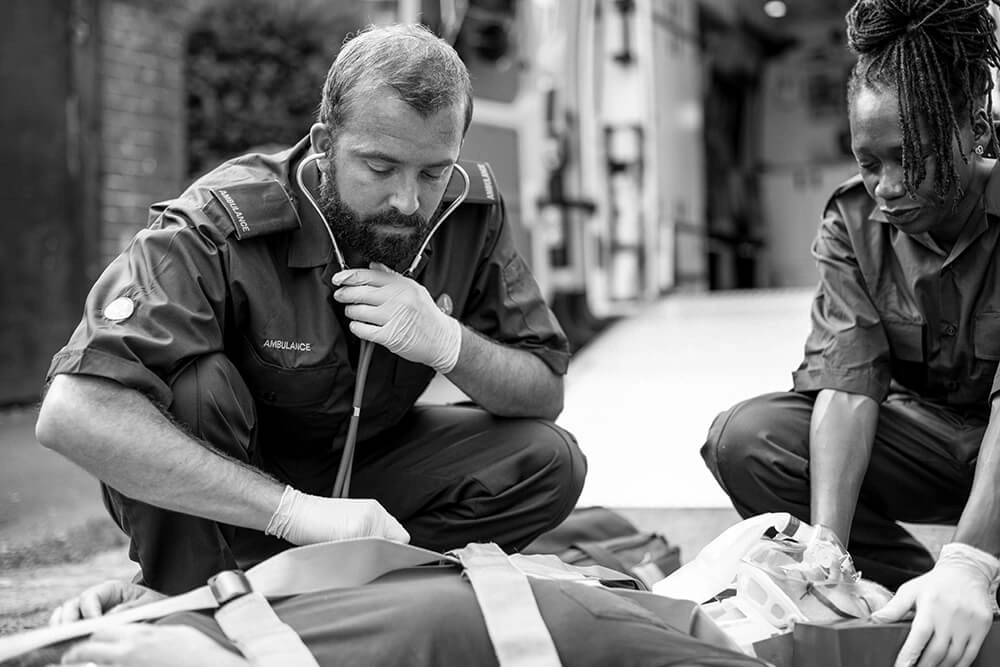
First responders regularly encounter situations that most people never experience. Responding to accidents, injuries, deaths, violence, fires, and other emergencies can create an ongoing emotional burden. Even when a responder appears to handle these experiences well, repeated exposure to traumatic events can have an impact over time.
The demands of the profession can also make it difficult to recognize when additional support is needed. Long shifts, irregular schedules, physical exhaustion, workplace stress, and the expectation to remain calm during emergencies can make it challenging for first responders to focus on their own emotional health.
At Fountain Hills Recovery, we understand that asking for help can be difficult for people whose careers are built around helping others. Our goal is to provide a supportive environment where first responders can address substance use and mental health concerns without judgment.
Common Concerns Addressed in First Responder Treatment
A specialized treatment approach can address concerns that may affect first responders both personally and professionally. Depending on each person’s circumstances, treatment may focus on:
- Alcohol or drug addiction
- Trauma-related symptoms
- PTSD
- Anxiety and persistent stress
- Depression and emotional distress
- Sleep difficulties
- Work-related burnout
- Chronic stress and emotional exhaustion
- Difficulty processing traumatic experiences
- Relationship and family challenges
- Unhealthy coping mechanisms
- Difficulty adjusting after traumatic events
Why First Responders May Avoid Seeking Help
For many first responders, seeking treatment can feel unfamiliar or uncomfortable. They are accustomed to being the person others depend on during an emergency, not the person asking for assistance. Concerns about stigma, privacy, career responsibilities, or how others may perceive them can sometimes prevent them from reaching out.
Treatment provides an opportunity to address these concerns in a setting where individuals can speak openly about what they have experienced. There is no need to minimize difficult experiences or pretend everything is fine. Working with qualified professionals can help first responders better understand their emotional and behavioral health and identify appropriate ways to move forward.
A Comprehensive Approach to Recovery
First responder treatment should address more than substance use alone. When trauma, anxiety, stress, or other mental health concerns are involved, treating these issues alongside addiction can provide a more comprehensive approach to recovery.
Treatment may include individual therapy, behavioral therapies, trauma-focused approaches, psychiatric support, group therapy, and holistic services when appropriate. The specific combination of services depends on the individual’s needs, history, goals, and clinical assessment.
What First Responders Can Work Toward
Through treatment and ongoing support, first responders can work toward:
- Developing healthier ways to manage stress
- Processing difficult or traumatic experiences
- Recognizing personal triggers
- Understanding the connection between thoughts, emotions, and behaviors
- Developing healthy coping strategies
- Improving communication with family and loved ones
- Establishing healthier sleep and daily routines
- Reducing reliance on substances as a coping mechanism
- Building emotional resilience
- Creating a personalized relapse-prevention plan
- Strengthening long-term recovery skills
Support for Families of First Responders
Substance use and mental health concerns can affect more than the individual receiving treatment. Spouses, children, parents, and other loved ones may also experience stress and uncertainty when someone they care about is struggling.
Family involvement can be an important part of recovery when clinically appropriate. Education and communication can help loved ones better understand addiction, trauma, and the recovery process while learning how to provide healthy support and maintain appropriate boundaries.
Creating a Safe Space to Begin Healing
First responders spend their careers protecting and supporting other people. Treatment gives them an opportunity to focus on themselves. At Fountain Hills Recovery, we aim to provide a supportive environment where first responders can step away from their daily responsibilities and concentrate on their health.
Whether someone is experiencing substance abuse, trauma-related difficulties, anxiety, or several concerns at once, reaching out for professional support can be an important first step. Recovery does not erase the experiences a first responder has been through, but treatment can provide tools for processing those experiences and developing healthier ways to move forward.
First Responder Recovery Starts With One Step
You do not have to wait until substance use or mental health concerns begin affecting every part of your life before seeking help. Early support can provide an opportunity to understand what is happening and explore appropriate treatment options.
At Fountain Hills Recovery, our team understands the unique pressures faced by first responders and their families. If you or someone you love is struggling, contact our team to discuss your situation, verify insurance coverage, and explore treatment options that may be appropriate for your needs
Call Us to Check Availability
+1 (888) 788-7033