






Sleep anxiety is worry, fear, or tension about falling asleep, staying asleep, or how you’ll cope after a poor night. It isn’t a formal diagnosis, but it often accompanies chronic insomnia. That worry raises your alertness, so sleep gets harder to reach. You might check the clock, force sleep, or predict tomorrow’s fatigue, and each habit deepens the cycle. Once you see how this loop works, you can start to loosen its grip tonight.
Key Takeaways
- Sleep anxiety is worry or fear about sleeping that raises alertness, making it harder to fall asleep or stay asleep.
- Common signs include trouble falling asleep, night awakenings, waking too early, lying awake for long periods, and repeated clock-checking.
- Trying to force sleep, checking the clock, and predicting next-day problems create a self-sustaining cycle of worry and wakefulness.
- Staying in bed awake for long stretches and keeping irregular schedules can link bed with frustration and worsen sleep anxiety.
- Sleep anxiety is not a formal diagnosis, unlike chronic insomnia, which requires three nights weekly for three months plus daytime impairment.
What is sleep anxiety and why does worry keep you awake
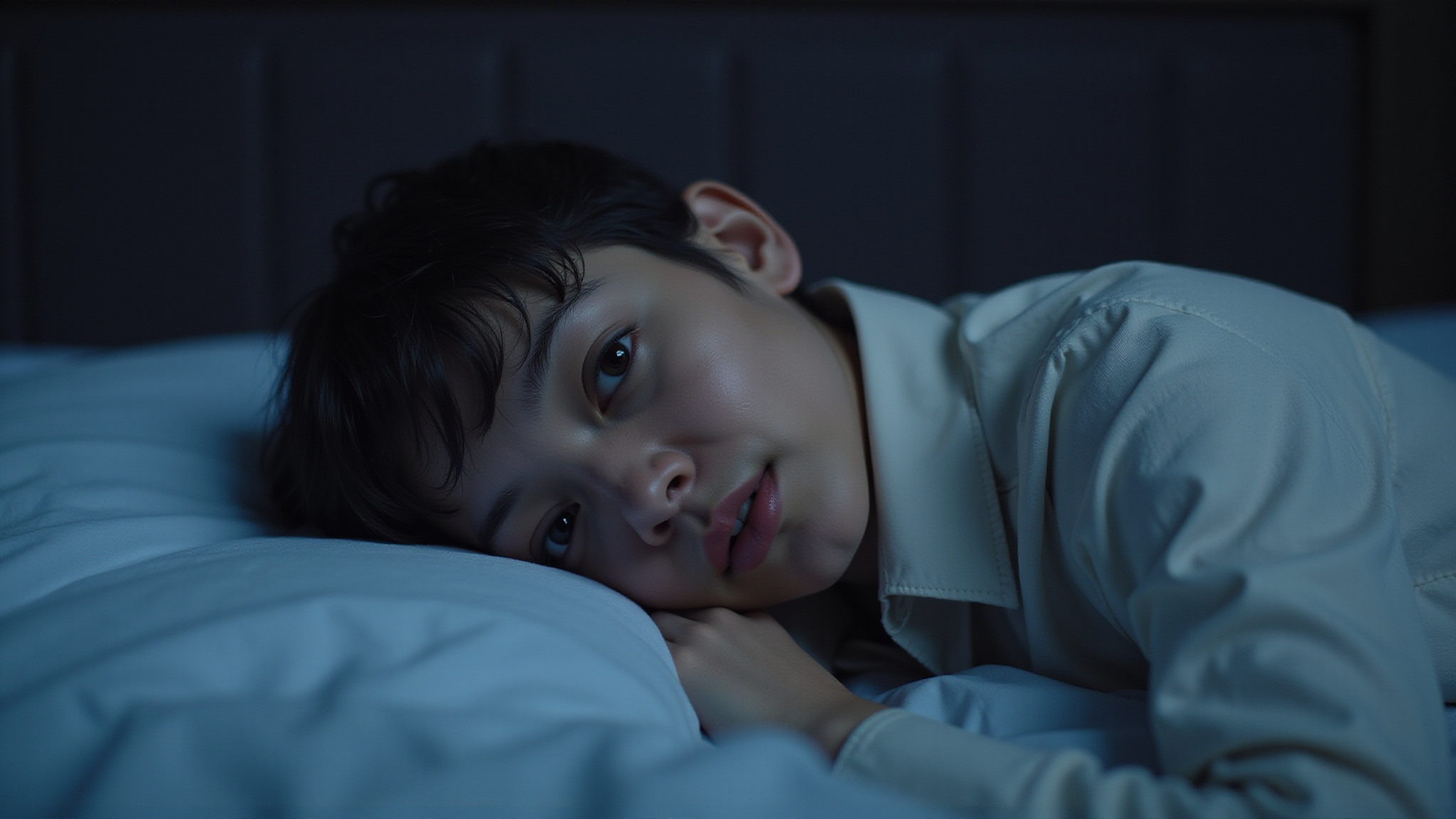
Sleep anxiety is worry, fear, or tension about falling asleep, staying asleep, or how poor sleep will affect you, and that worry keeps you awake by raising alertness. It isn’t a standalone formal diagnosis. It can, however, accompany chronic insomnia, which involves trouble sleeping at least three nights weekly for three months, plus daytime impairment.
Anxiety about sleeping makes it harder to settle down. Lying awake dreading another restless night, the worry itself can become part of what keeps you up. When you try to force sleep or monitor whether it’s happening, bedtime feels effortful. After a poor night, you may predict next-day consequences, fueling more sleeping anxiety the following evening. Over time, your bed can become linked with frustration rather than rest. Such learned patterns are treatable.
What are the common sleep anxiety symptoms
Common sleep anxiety symptoms include difficulty falling asleep, repeated awakenings during the night, and waking earlier than you intended. Sleep anxiety is worry or tension about sleep, and it often shows up before bedtime.
| Symptom Type | Example | What It May Reflect |
|---|---|---|
| Nighttime | Lying awake for long periods | Heightened alertness |
| Behavioral | Repeated clock-checking | Monitoring sleep effort |
| Cognitive | Dread as bedtime approaches | Anticipatory worry |
| Daytime | Fatigue, reduced functioning | Impairment from poor sleep |
Symptoms of sleep anxiety aren’t a personal failing. They reflect learned patterns that treatment can change. If they occur at least three nights a week for three months and affect your daytime functioning, you may meet criteria for chronic insomnia. Seek clinical assessment, especially if other health concerns coexist.
How does the fear of not sleeping feed itself

The fear of not sleeping feeds itself by increasing alertness, which makes sleep harder to reach. Trying to force sleep or repeatedly checking whether it’s happening makes bedtime feel like effort instead of rest.
After a poor night, you may predict how badly tomorrow will go, and that prediction can raise your anticipatory worry the next evening. If you spend long stretches awake in bed, your mind can link the bed with frustration and alertness rather than sleep.
Anxiety and insomnia can reinforce each other, and the exact pattern looks different from person to person. This cycle isn’t a personal failure. It reflects learned thoughts and behaviors, which CBT-I directly targets with structured cognitive and behavioral techniques.
What does it feel like at bedtime
At bedtime, insomnia often feels like tension that starts building as evening approaches, long before you’re actually in bed. Common experiences include:
Insomnia often begins before bed, with tension quietly building as evening approaches and bedtime draws near.
- Dreading bedtime: You anticipate another difficult night instead of feeling ready to rest.
- Checking the clock: You calculate how many hours remain, which keeps your mind alert.
- Forcing sleep: You try hard to fall asleep, turning bedtime into effort rather than rest.
- Forecasting tomorrow: You predict fatigue, mistakes, or poor functioning if sleep doesn’t come.
Lying awake night after night can also bring frustration that makes the bed feel linked to alertness. These reactions aren’t a personal failure. They’re learned patterns of thought and behavior, and they’re exactly what structured, evidence-based treatment for insomnia targets.
What everyday habits make it worse

Staying in bed awake for long stretches, checking the clock, keeping an irregular sleep schedule after a bad night, and predicting how badly tomorrow will go are everyday habits that can keep insomnia going. They often start as reasonable ways to cope with a bad night. If you stay in bed awake hoping sleep will eventually come, your bed can become linked with frustration and alertness rather than rest. Checking the clock or monitoring whether you’re falling asleep can turn bedtime into an effortful task. After a poor night, shifting your bedtime, sleeping in, or following an irregular schedule can make sleep harder to regulate. Predicting how badly tomorrow will go can also raise your worry the next night. These patterns aren’t personal failures. They’re learned responses, and that’s why cognitive behavioral therapy for insomnia (CBT-I) targets them directly with structured cognitive and behavioral strategies.
How is it different from ordinary insomnia
Sleep anxiety isn’t a formal diagnosis; it describes worry, fear, or tension about sleep and its effects, while chronic insomnia is a diagnosable condition. The two often overlap and reinforce each other.
Sleep anxiety is worry about sleep itself; chronic insomnia is a diagnosable condition. Often, each one feeds the other.
- Definition: Insomnia means trouble falling asleep, staying asleep, or waking too early despite adequate opportunity.
- Duration: Chronic insomnia requires symptoms at least three nights weekly for three months or longer.
- Impact: Insomnia includes daytime impairment, such as fatigue or reduced functioning.
- Focus: Sleep anxiety centers on your thoughts: dreading bedtime, checking the clock, or predicting tomorrow’s consequences.
You can feel sleep anxiety without meeting insomnia criteria. If your symptoms persist or affect your days, a clinician can assess them and discuss CBT-I, the recommended first treatment for chronic insomnia.
How do you start calming sleep anxiety tonight
Start by easing the pressure to sleep, since you don’t need a full treatment plan to calm tonight’s worry. You can borrow a few principles from CBT-I, the structured therapy that targets the thoughts and behaviors that keep insomnia going.
Stop trying to force sleep. Effort raises alertness, so let rest be the goal instead. Turn the clock away; checking it feeds worry about tomorrow. If you’ve been lying awake and frustrated, get up, do something quiet in dim light, and return when you feel sleepy. This stimulus-control step helps your bed signal sleep again. When you catch a prediction like “tomorrow’s ruined,” remind yourself that you’ve likely functioned after poor sleep before.
These steps aren’t a substitute for full CBT-I; if poor sleep persists or affects your days, see a clinician.
Conclusion
Sleep anxiety isn’t a character flaw or a formal diagnosis, it’s worry, fear, or tension about sleep that quietly raises your alertness right when you need to wind down. The trap is that the very things you do to cope, forcing sleep, checking the clock, staying in bed awake, and bracing for a ruined tomorrow, are exactly what keep the cycle spinning, slowly teaching your brain to link the bed with frustration instead of rest. The reassuring truth running through all of it is that these are learned patterns of thought and behavior, which means they can be unlearned. You can start loosening the grip tonight by easing the pressure to sleep, turning the clock away, getting out of bed when you’re wired and returning when you’re sleepy, and gently challenging the “tomorrow’s ruined” prediction against all the days you’ve coped before. When the worry has tipped into chronic insomnia, around three nights a week for three months or more, with daytime impairment, that’s the signal to reach out, and the first-line answer is CBT-I, the structured therapy that targets these worries and habits directly, rather than sleep hygiene alone or medication as a starting point. You don’t have to keep dreading bedtime, and with the right support you can quiet the worry and get your rest back.
Stop Worrying About Sleep and Start Resting
Worrying about sleep can take on a life of its own, but specialised care can quiet the mind and restore natural rest. At Fountain Hills Recovery in Fountain Hills, AZ, we offer Anxiety Treatment through our Intensive Outpatient Program or residential care. Verify your insurance or Call +1 (888) 788-7033 today.
Frequently Asked Questions
Is Sleep Anxiety an Official Medical Diagnosis?
No, sleep anxiety isn’t a standalone formal diagnosis. It describes the worry, fear, or tension you might feel about falling asleep, staying asleep, or how poor sleep will affect you. If you’ve struggled to sleep at least three nights weekly for three months, with daytime impairment, you may meet criteria for chronic insomnia. Sleep specialists strongly recommend CBT-I, a structured treatment that targets the thoughts and behaviors keeping you awake.
How Long Does CBT-I Usually Take to Improve Sleep?
A typical CBT-I course runs four to eight sessions, and the point at which you notice better sleep varies from person to person. You’ll track your nights in a sleep diary, and your clinician uses that data to tailor stimulus control, sleep restriction, and cognitive strategies. Studies show CBT-I improves sleep quality, insomnia severity, daytime fatigue, and beliefs about sleep. If you’re struggling, a sleep specialist can help you set realistic expectations.
When Should I See a Doctor About Sleep Worry?
See a doctor if your sleep problems happen at least three nights a week for three months or longer, or if they’re hurting how you function during the day. You should also book an evaluation if you suspect another medical or psychological condition is involved. A clinician can assess what’s driving your symptoms and discuss CBT-I, the recommended first treatment for chronic insomnia. Asking for help isn’t a personal failure.
Can Sleep Medication Help, or Should Therapy Come First?
Therapy usually comes first. The American College of Physicians recommends cognitive behavioral therapy for insomnia (CBT-I) as your initial treatment, and the American Academy of Sleep Medicine strongly endorses it. Over four to eight sessions, you’ll use sleep diaries and strategies that target worry and unhelpful sleep habits. Medication can still help if you can’t access CBT-I, your symptoms persist, or you need short-term support. Your clinician should individualize it.
Is Sleep Hygiene Advice Enough to Treat Sleep Anxiety?
Usually not, if your sleep worry has become chronic insomnia. Sleep hygiene helps, but you shouldn’t treat it as equivalent to CBT-I, which the American Academy of Sleep Medicine strongly recommends. CBT-I combines cognitive strategies that target sleep worries with behavioral tools like stimulus control and sleep restriction, often over four to eight sessions. If you’re struggling three nights weekly for three months, with daytime impairment, consider seeing a clinician.