
Yes, lack of sleep can make your anxiety worse, and it doesn’t take long. After one sleepless night, your amygdala, the brain’s threat center, reacts about 60% more strongly to negative images. At the same time, the prefrontal regions that calm it lose connection, so your emotional brakes weaken. Repeated short nights compound the strain. Because worry also disrupts sleep, the two can feed each other. Fortunately, you’ve got evidence-based ways to interrupt that cycle.
Key Takeaways
- Lack of sleep can worsen anxiety quickly, with one sleepless night increasing self-reported anxiety and stress even in low-stress situations.
- After one sleepless night, amygdala reactivity to negative images rises about 60%, while prefrontal regulation of emotions weakens.
- Sleep loss makes the threat-detection system more reactive and weakens emotional “brakes,” so everyday disruptions trigger stronger negative reactions.
- Sleep loss and anxiety feed each other; insomnia was linked to 3.23 times the odds of later anxiety in one meta-analysis.
- Most adults need at least seven hours nightly, and 15 of 18 sleep-intervention studies found significant anxiety improvement.
Can lack of sleep make anxiety worse
Yes, lack of sleep can make anxiety worse, and the effects can appear quickly. In controlled experiments, one night of sleep loss increased self-reported anxiety and stress in low-stress situations. If you’re losing sleep night after night, the impact can build: a week of five-hour nights progressively increased emotional disturbance, and accumulated sleep loss amplified negative reactions to everyday disruptions. Sleep deprivation anxiety has a clear biological basis. After one night without sleep, amygdala reactivity to negative images rose by about 60% in one study, while connectivity with prefrontal regions that help you regulate emotions weakened. That’s why anxiety from lack of sleep can feel harder to control. The link between lack of sleep and anxiety runs both ways, so each can feed the other.
How does sleep loss amplify anxiety
Sleep loss amplifies anxiety by making your brain’s threat-detection system more reactive while weakening its regulatory brakes.
| Change | What happens | How you may feel |
|---|---|---|
| Amygdala reactivity | Rose about 60% after one sleepless night | Negative events hit harder |
| Prefrontal connectivity | Weakens, reducing emotional control | More irritable and volatile |
Sleep loss also tightens coupling between your amygdala and a brainstem center that drives fight-or-flight activation, shifting your body toward sympathetic dominance. So, can lack of sleep cause anxiety? It can intensify it. In experiments, one night of sleep loss raised anxiety and stress in low-stress situations, and five four-hour nights produced amygdala reactivity similar to a full night without sleep. If you’ve felt on edge after poor sleep, that response is physiological, not a personal failing.
What does it do to the anxious brain
Sleep loss weakens the communication between your amygdala and the prefrontal regions that keep emotional reactions in check, and it hits harder if you’re already prone to anxiety. A single bad night can unsettle anyone. After one night without sleep, your amygdala can react roughly 60% more strongly to negative images, according to one experiment.
Sleep loss also increases coupling between your amygdala and a brainstem center tied to fight-or-flight activation, shifting your nervous system toward sympathetic dominance. In a sleep-restriction study, weaker amygdala, prefrontal connectivity tracked with higher self-reported anxiety. You don’t need a full sleepless night for this effect: five nights of four-hour sleep produced similar amygdala reactivity. The result: your brain’s alarm grows louder while its brakes weaken.
Why do you feel more on edge after a bad night
You feel more on edge after a bad night because sleep loss lowers your threshold for stress, so situations you’d normally shrug off can start to feel threatening. In controlled experiments, a single night of sleep loss increased people’s self-reported anxiety and stress even in low-stress situations. Your body contributes too: sleep deprivation can tip your autonomic nervous system toward sympathetic, or “fight-or-flight,” dominance, leaving you physically primed for danger.
You may also notice you’re more irritable and emotionally volatile, because sleep loss weakens your ability to regulate emotions. If short nights pile up, the effect builds. When participants slept five hours nightly for a week, their emotional disturbance rose progressively, and accumulated sleep loss amplified negative reactions to everyday disruptions. That’s why a missed deadline or delayed train can feel disproportionately overwhelming.
How does the cycle spin up
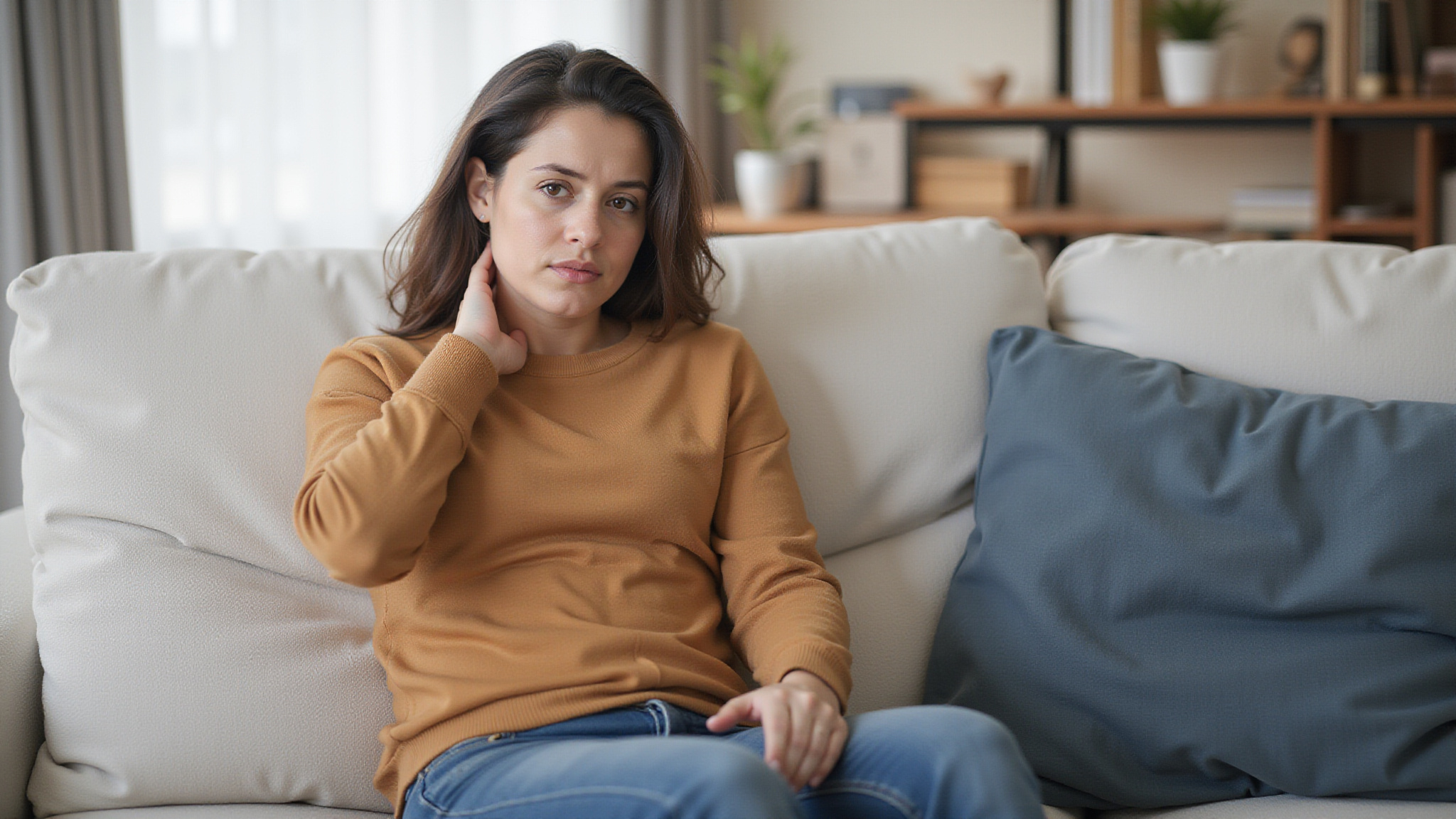
Sleep loss and anxiety spin up a cycle by feeding each other. When you’re short on sleep, your amygdala reacts more strongly and your prefrontal brakes weaken, so everyday stressors hit harder. That heightened worry can follow you to bed, making restful sleep harder to reach. Over short nights, the effects build: in one study, a week of five-hour nights progressively increased emotional disturbance.
Insomnia can also come first. One meta-analysis found people with insomnia had 3.23 times the odds of later developing an anxiety disorder. Still, a primary-care study found a smaller 1.2-fold risk over five years, with a confidence interval that included no increase. Insomnia is linked to higher risk; it doesn’t guarantee you’ll develop anxiety.
How much rest do you need to steady your mood
To steady your mood, most adults need at least seven hours of sleep a night, with the target shifting slightly by age. Use these benchmarks to gauge whether you’re getting enough:
- Ages 18, 60: Aim for at least seven hours.
- Ages 61, 64: Aim for seven to nine hours.
- Ages 65 and older: Aim for seven to eight hours.
- Your own baseline: Treat these as population guidelines, since individual needs vary.
In 2020, 35% of U.S. adults reported sleeping fewer than seven hours, a shortfall the CDC links to increased anxiety and depression risk. If you’re falling short, your mood may feel more reactive. Encouragingly, in a review of 18 studies, 15 found sleep interventions significantly eased anxiety. Results vary, but protecting your sleep is a reasonable place to start.
How do you break the sleep-deprivation and anxiety loop
Break the loop by improving your sleep first. Poor sleep and anxiety reinforce each other, so you can interrupt the cycle from either side, and sleep is often the most practical place to start.
Evidence supports this approach. In a review of 18 sleep-intervention studies, including nine randomized controlled trials, 15 (83%) found significant anxiety improvement. That doesn’t mean every program works for you: three studies reported no significant change, and results varied by intervention.
Start by protecting your recommended sleep window, at least seven hours if you’re 18, 60. If insomnia persists, don’t wait it out. Insomnia is associated with a higher risk of later anxiety disorders, so it’s worth discussing structured treatment with a clinician. Better sleep won’t erase anxiety, but it can strengthen the emotional regulation that sleep loss undermines.
Conclusion
So, can lack of sleep make anxiety worse? Yes, and the effect is fast and physiological, not a matter of willpower. After even one sleepless night, your amygdala, the brain’s threat center, fires about 60% harder at negative input while its connection to the prefrontal regions that keep emotions in check weakens, so your alarm gets louder exactly as your brakes get softer. That’s why a minor hassle can feel overwhelming after a bad night, and why repeated short nights pile the strain higher. Because worry also disrupts sleep, the two can spin into a self-feeding loop, with insomnia linked to meaningfully higher odds of later anxiety. The genuinely encouraging part is that this loop can be interrupted from the sleep side: protecting at least seven hours a night (if you’re 18 to 60) gives your brain back the regulation that sleep loss steals, and in a review of 18 studies, 15 found that improving sleep significantly eased anxiety. Better sleep won’t erase anxiety on its own, but it’s one of the most practical first moves you have, and if insomnia or anxiety keeps persisting for weeks or disrupting your life, that’s the moment to reach out for professional care that can treat both together.
Rebuild Sleep and Reduce Anxiety Together
You deserve nights of real rest and days without the weight of anxiety holding you down. At Fountain Hills Recovery in Fountain Hills, AZ, our caring team offers thoughtful Anxiety Treatment that heals the anxiety behind your sleeplessness, so you can finally feel rested and whole again. Verify your insurance or Call +1 (888) 788-7033 today.
Frequently Asked Questions
Can Napping During the Day Offset Anxiety Caused by a Poor Night’s Sleep?
A nap may take the edge off daytime tiredness, but it won’t reliably undo the anxiety effects of a poor night. One night of sleep loss can raise your anxiety and boost amygdala reactivity by about 60%, while cutting its connection to emotional-control regions. Your best evidence-based move is protecting consistent nightly sleep (at least seven hours if you’re 18, 60), since improving sleep eased anxiety in most studies.
Does Drinking Extra Caffeine After a Bad Night Make Anxiety Symptoms Worse?
Yes, it can. Higher doses of caffeine are well known to trigger jitteriness, a racing heart, and restlessness. After a rough, sleepless night, your body’s already shifted toward fight-or-flight dominance and your amygdala’s more reactive, so extra caffeine may amplify those sensations. Late-day coffee can also disrupt tonight’s sleep, extending the anxiety, sleep cycle. If you’re anxiety-prone, keep your intake moderate and stop by midday.
Can Sleeping Too Much Also Increase Feelings of Anxiety?
Most of what’s known centers on sleep loss rather than oversleeping, but guidelines do set upper limits for some ages. If you’re 61, 64, aim for seven to nine hours; if you’re 65 or older, seven to eight; if you’re 18, 60, at least seven. Your individual needs can vary, so if you’re sleeping long and still feel anxious, discuss it with a trusted clinician.
Are Teenagers More Vulnerable to Anxiety From Sleep Loss Than Adults?
Sleep loss can heighten anxiety at any age: when you lose sleep, your amygdala reacts more strongly and its link to your brain’s emotional-control regions weakens. For teens specifically, youth sleep programs have improved both sleep and anxiety, though one trial found the anxiety benefit was small, so results vary. Whatever your age, protecting consistent nightly sleep is a sound first step, and persistent anxiety deserves a clinician’s assessment.
When Should You See a Doctor About Ongoing Sleep Problems and Anxiety?
See a doctor if poor sleep or anxiety persists for several weeks, disrupts your work, relationships, or daily functioning, or doesn’t improve despite better sleep habits. Don’t wait if you’re experiencing panic attacks, depression, or thoughts of self-harm. Since research ties insomnia to higher anxiety risk, and each can worsen the other, early care matters. Your clinician can assess both. Sleep-focused treatments improved anxiety in 15 of 18 studies.