Fountain Hills Recovery is a licensed and Joint Commission Accredited treatment center. We specialize in various disorders including substance abuse and mental health issues. With a limited staff-to-patient ratio, serene location and comprehensive programs, our company provides a tranquil and supportive environment for individuals on their journey to long-lasting recovery, guided by compassionate and experienced experts.
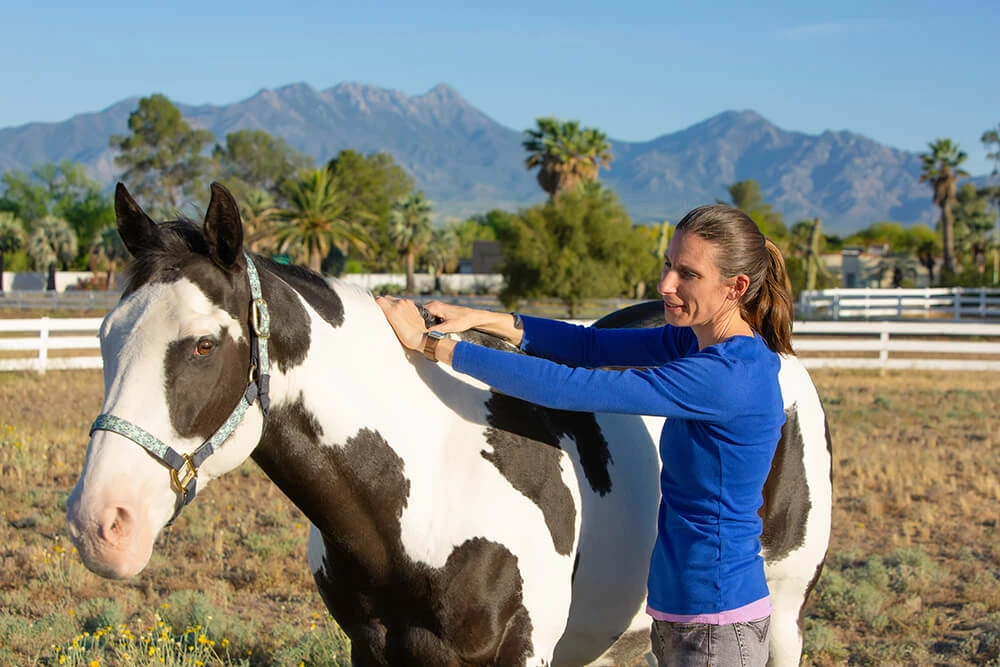
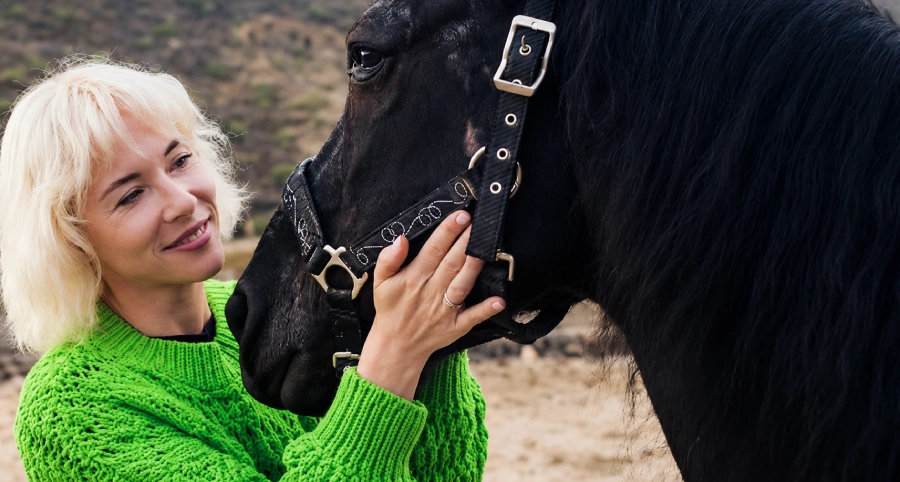
Equine-assisted therapy is a form of therapy that includes horses. Horses are often used in animal-assisted therapy, alongside other animals such as cats and dogs. Here at Fountain Hills Recovery, we create positive interactions between horses and people, which then helps our patients with overcoming serious life struggles.
Addiction & mental health disorders are challenging millions of good American families every year. It often flies under the radar until it starts taking its toll, and you are here because its emotionally draining. One thing everyone should remember is that it’s never too late to start fighting addiction.
If you or a loved on is looking for a luxury mental health & addiction treatment center in Arizona, we are here to help. Our luxury treatment centers and caring licensed staff are world-class.
Ready to get more information?
Call Us to Check Availability
+1 (888) 788-7033
The gravity of your problem depends on when you decide to acknowledge your issue. In other words, it’s always better to start working on yourself sooner rather than later, but it’s also important to keep in mind that it’s never too late. You are stronger than you think.
*We do not offer Equine therapy services for the summer months of June, July, and August due to the extreme heat.
Equine Therapy for Addiction Treatment Yields Incredible Results
While equine assisted therapy is somewhat new, it has shown incredible results throughout the years as a branch of Animal-Assisted Therapy — an approach in which a person interacts with animals rather than other people. The best thing about it is that it can sometimes yield better results than traditional talk-therapy.
This type of therapy may not be suitable for everyone, as personal preferences play a role. For example, some people simply aren’t keen on interacting with animals, which is nothing out of the ordinary but requires different actions.
We strive to help our patients rehabilitate from their addiction in a way that’s beneficial both for their health and mental stability. Equine therapy can address some aspects of addiction recovery that traditional therapy might not.
While not all people are perfectly viable candidates for this particular method, the vast majority are indeed eligible. If you’re not sure whether this is the right thing for you, take a moment and check out some of these benefits:
- Horses can significantly improve your trust-building skills
- Horses can sense one’s feelings and respond accordingly, thus offering immediate feedback
- Horses can help you improve both your social and cognitive skills
- Horses offer unconditional love and a non-judging relationship
Meet Our Equine Therapy Team
Our equine therapists are both experienced with utilizing horses to help those struggling with addiction.

Sheryl W. Harrison, Ph.D.
Sheryl W. Harrison, Ph.D. Dr. Harrison is a licensed psychologist in private practice in Scottsdale AZ. She has been a faculty member in the Clinical Psychology doctoral program at the Arizona School of Professional Psychology for 16 years where she taught courses in a variety of therapy approaches including Animal Assisted Therapy. She has taught courses in Animal Assisted Therapy as an adjunct professor in other doctoral and Master’s programs as well. She is certified as a mental health specialist in Equine Assisted Psychotherapy (EAP) by the Equine Assisted Growth and Leaning Association (EAGALA) and has passed the Equine Specialist in Mental Health and Learning workshop and Horsemanship Skills test of the Professional Association of Therapeutic Horsemanship Int’l. As part of her private practice she has offered equine assisted individual and group therapy along with her EAGALA certified Equine Specialist partner, Reg Saybrook, for the past nine years. Dr. Harrison has a special interest in research involving EAP. To this end she has chaired seven dissertations that have investigated the effectiveness of EAP with a variety of patient populations including substance use disorders. AS a result of this interest, she served as the chair of the research committee of EAGALA for two years. A growing body of research has documented that EAP is effective in treating many disorders and populations. She has made presentations and offered workshops on EAP at state, regional, national and international conferences.
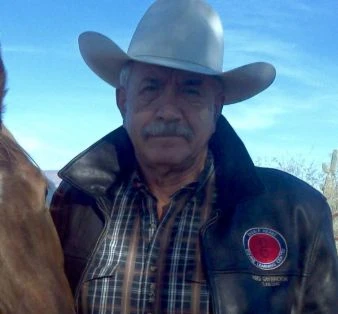
Reg A. Saybrook
Reg has been a horse trainer for over 50 years, beginning at age 12 when he trained the horses on his family’s cattle ranch in North Dakota as well as horses on neighboring ranches. For the past 35 years, he has been perfecting his own training technique which he calls the “Heart to Heart” approach, through his Double Heart Equine Learning Center. Much of his technique developed from his study of wild mustang herds which he began doing 35 years ago. For the past 20 years, Reg has provided training clinics nationally and internationally, to other trainers and equestrians through his “Heart to Heart” clinics. He has provided workshops and clinics to instructors and volunteers at PATH Int’l and RDI (Riding for the Disabled International) therapeutic riding centers in the continental US, Hawaii, Canada, Bermuda and Australia. He has presented workshops on Equine Assisted Psychotherapy at local, state, regional and national conferences. Reg is certified by the Equine Assisted Growth and Learning Association as an Equine Assisted Psychotherapy Equine Specialist and has served as the equine specialist with a number of mental health professionals. He has also completed the Professional Association of Therapeutic Horsemanship Int’l Equine Specialist in Mental Health and Learning certification workshop and Horsemanship Skills Test in 2012.
How Equine Therapy Works
Equine therapy gives individuals an opportunity to participate in structured activities involving horses while working toward therapeutic goals. Rather than simply spending time with animals, clients can be guided through activities designed to encourage self-awareness, communication, emotional regulation, trust, and healthy interactions.
Horses can respond to body language, tone, movement, and behavior. This can give clients an opportunity to observe how their own actions and emotions may influence interactions with others. With guidance from trained professionals, these experiences can become part of a broader therapeutic process.
Equine therapy is generally used as a complementary approach rather than a replacement for evidence-based addiction or mental health treatment. It can be incorporated into an individualized treatment plan when appropriate.
What Can You Learn Through Equine Therapy?
Working with horses can provide opportunities to practice skills that are also important in everyday life and recovery. Depending on the individual’s treatment goals, equine-assisted activities may help clients explore:
- Trust and healthy relationship-building
- Communication and nonverbal awareness
- Emotional regulation and self-awareness
- Patience and mindfulness
- Confidence and personal responsibility
- Healthy boundaries and interpersonal skills
These experiences can be particularly valuable for individuals who find traditional talk therapy challenging or who benefit from hands-on and experiential approaches.
Building Confidence Through Connection
Addiction can affect a person’s confidence and their ability to trust themselves and others. Some individuals may withdraw from relationships or have difficulty expressing emotions because of experiences associated with substance use or mental health challenges.
Working with horses can provide a different type of interaction. Horses do not judge someone based on their past, appearance, career, or mistakes. Instead, they respond to what is happening in the moment. This can encourage individuals to slow down, become more aware of their behavior, and practice interacting in a calm and intentional manner.
Over time, these experiences may help clients recognize their strengths and become more comfortable with healthy connections.
Equine Therapy and Emotional Awareness
Recognizing and managing emotions is an important part of recovery. Stress, fear, frustration, anger, and anxiety can sometimes contribute to unhealthy coping behaviors.
Equine-assisted activities can encourage clients to pay attention to their emotional state and how those emotions influence their behavior. With therapeutic guidance, clients can begin practicing healthier ways to respond to uncomfortable feelings rather than immediately reacting to them.
A Different Approach to the Recovery Experience
Not everyone responds to treatment in exactly the same way. Some people benefit from traditional conversations, while others connect more strongly with experiential approaches that allow them to learn by doing.
Equine therapy provides another opportunity for clients to participate actively in their treatment. It can complement individual counseling, group therapy, behavioral therapies, and other services as part of a comprehensive recovery program.
The treatment team can determine whether equine-assisted therapy is appropriate based on each client’s needs, comfort level, treatment goals, and overall care plan.
Who May Benefit From Equine Therapy?
Equine therapy may be appropriate for individuals who are comfortable working around horses and who may benefit from an experiential component to their treatment. It can be incorporated into care for certain substance use and mental health concerns when clinically appropriate.
Because every client has different needs and preferences, participation should be discussed with the treatment team. Equine therapy is not required for recovery, and other therapeutic approaches may be recommended when this type of treatment is not a good fit.
Equine therapy may be appropriate for individuals who are comfortable working around horses and who may benefit from an experiential component to their treatment. It can be incorporated into care for certain substance use and mental health concerns when clinically appropriate.
Because every client has different needs and preferences, participation should be discussed with the treatment team. Equine therapy is not required for recovery, and other therapeutic approaches may be recommended when this type of treatment is not a good fit.
Continuing Your Recovery Journey
Recovery is a process that involves learning new skills and finding healthy ways to handle life’s challenges. Equine therapy can provide an opportunity to practice communication, emotional awareness, trust, and confidence in a supportive environment.
At Fountain Hills Recovery, we combine experiential approaches with other therapeutic services to create individualized treatment plans. If you believe equine therapy could be a helpful part of your recovery, our team can explain how it fits into your overall treatment plan and what you can expect.
Seasonal Availability
Please note: Equine therapy is not offered during June, July, and August due to extreme Arizona heat. Availability may resume when weather conditions allow for a safe and appropriate experience.
Get Started at Fountain Hills Recovery
If you or your loved one is struggling against addiction and looking for an alternative solution, such as equine therapy, pick up your phone and give us a call! We will be more than happy to guide you through the process and follow your progress each step of the way. You are not alone in this fight.
Call Us to Check Availability
+1 (888) 788-7033