
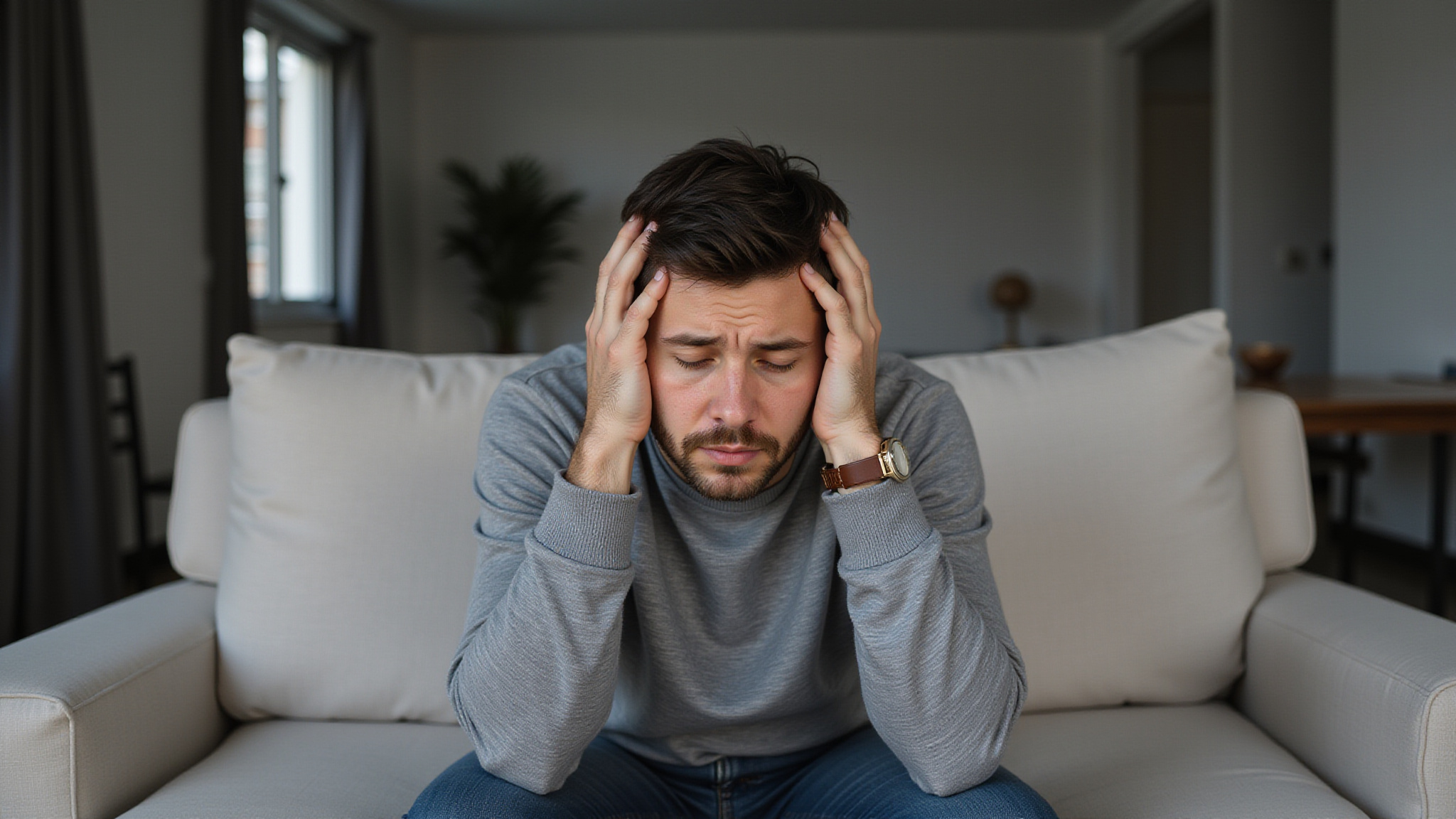

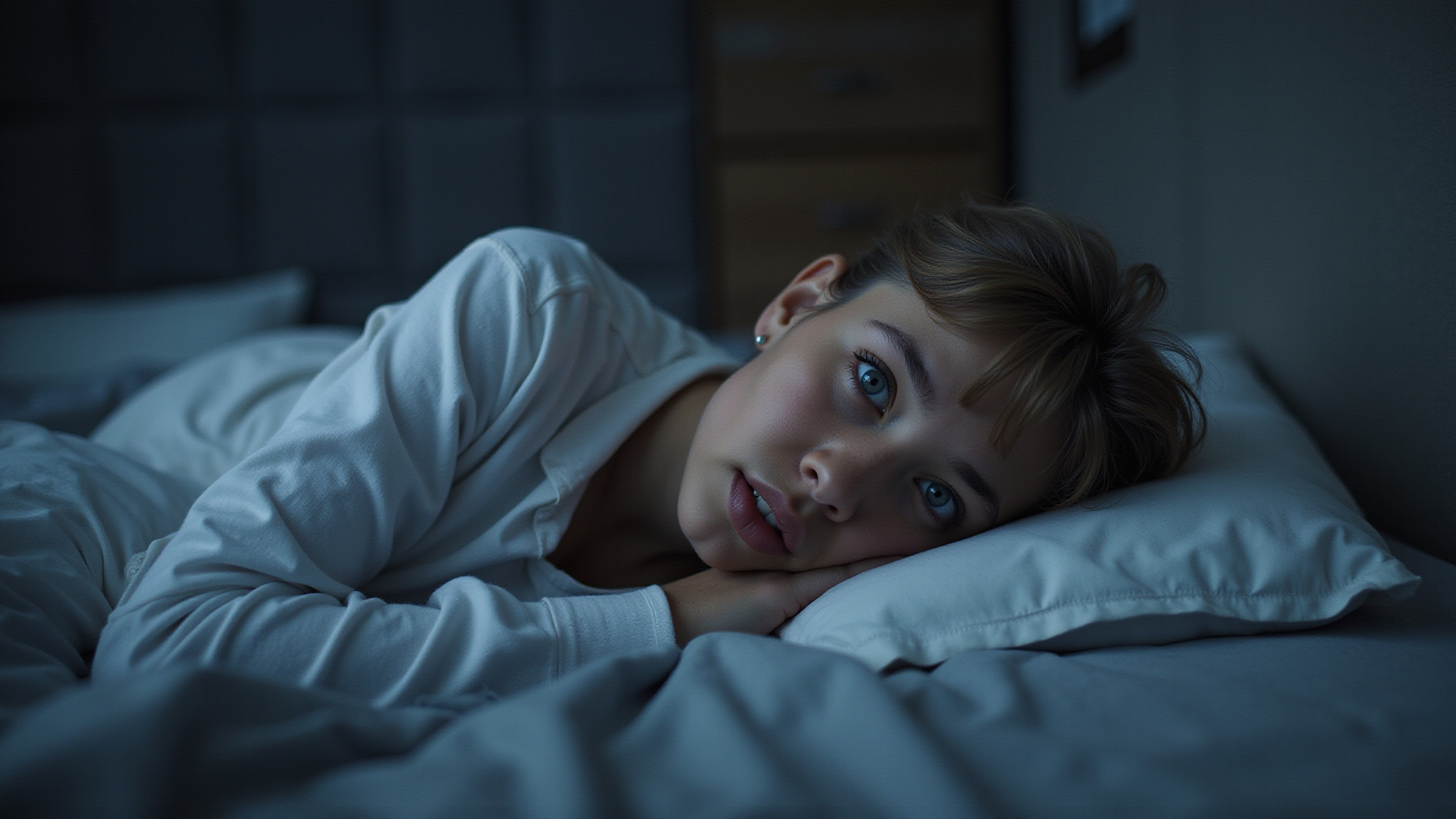
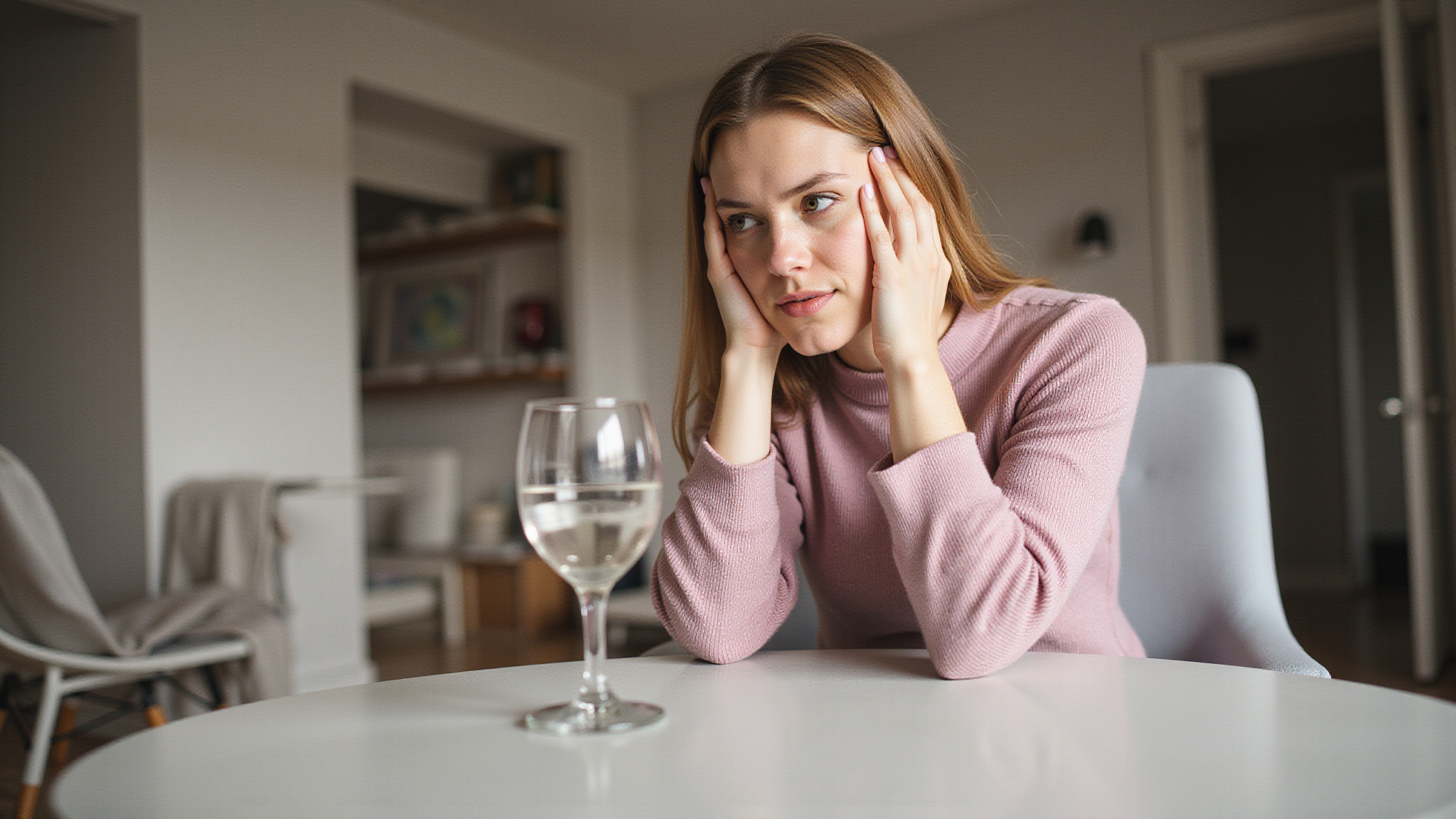
Yes, anxiety can cause insomnia. It keeps your body’s stress-response and sympathetic systems switched on, so your brain stays alert when it should be winding down. That’s why you might lie awake for what feels like hours or wake at night with racing thoughts. The pattern depends on your anxiety type, and poor sleep can make the next day’s worry harder to manage. Once you understand this cycle, you’ll see how proven treatments can break it.
Key Takeaways
- Anxiety can cause insomnia by activating the body’s stress-response and sympathetic systems, keeping the brain alert when it should wind down.
- Generalized anxiety disorder typically disrupts staying asleep, while panic disorder impairs both falling asleep and staying asleep.
- Repeated “false alarms” sustain arousal, turning occasional restless nights into persistent sleep, wake problems with racing thoughts and nighttime awakenings.
- Anxiety and insomnia form a feedback loop: poor sleep worsens next-day anxiety, which further disrupts sleep.
- Seek help if sleep problems and daytime symptoms occur three times weekly for three months; multicomponent CBT-I is strongly recommended.
Can anxiety cause insomnia
Yes, anxiety can cause insomnia. When you’re anxious, your body’s stress-response and sympathetic systems activate, creating heightened alertness that makes it hard to fall asleep or stay asleep. Repeated or intense “false alarms” can sustain this arousal, leading to persistent sleep, wake problems.
Whether anxiety causes lasting insomnia depends partly on the disorder. Generalized anxiety disorder is linked to trouble maintaining sleep, while panic disorder affects both falling and staying asleep. In one cited report, 68% of people with panic disorder had difficulty falling asleep.
Anxiety-induced insomnia can also become cyclical. Anxiety disrupts your sleep, and poor sleep makes anxiety harder to manage. Recognizing insomnia due to anxiety is an important first step toward finding effective, evidence-based treatment.
How are anxiety and insomnia linked
Anxiety and insomnia form a feedback loop: anxiety disrupts your sleep, and poor sleep can make anxiety harder to manage. The two conditions often coexist and influence each other. In population surveys, anxiety disorders appeared in roughly 24%, 36% of people reporting insomnia.
| Anxiety Disorder | Typical Sleep Pattern | Evidence |
|---|---|---|
| Generalized anxiety disorder | Trouble staying asleep | Associated with sleep maintenance problems |
| Panic disorder | Trouble falling and staying asleep | 68% report difficulty falling asleep |
| Post-traumatic stress disorder | Disturbed sleep | Sleep disturbance is a recognized symptom |
The specific pattern you experience varies by disorder. Treating anxiety can meaningfully improve your sleep, and when sleep problems predominate, addressing them may also ease your anxiety. Both conditions consequently deserve your attention.
How does an anxious mind block sleep
An anxious mind blocks sleep by keeping your brain on alert, which interferes with the shift from wakefulness into sleep. Your body’s stress-response and sympathetic systems stay activated, so you’re primed to react rather than rest. Repeated or intense “false alarms” can sustain this arousal, turning occasional restless nights into persistent sleep-wake problems.
This heightened alertness may show up in several ways:
- You lie awake for what feels like hours, unable to fall asleep despite exhaustion.
- You wake during the night, and your racing thoughts won’t let you drift back.
- You open your eyes earlier than intended, already dreading the day ahead.
These patterns aren’t a personal failing. They reflect a nervous system that’s working overtime, and recognizing that mechanism is your first step toward breaking this vicious cycle.
What happens in the body as you try to fall asleep
Your body needs to shift from a state of readiness to one of rest, but anxiety can stall that change.
When you’re anxious, your body’s stress-response and sympathetic nervous systems stay active, keeping you alert when you’d wind down. This heightened arousal makes it harder to cross into sleep and can wake you overnight. If your system repeatedly sounds intense “false alarms,” that dysfunctional arousal can persist, setting the stage for ongoing sleep, wake problems.
The cycle can feed itself. Each restless night may leave you fatigued, irritable, or more anxious the next day, which complicates how you manage anxiety. Recognizing this physical response matters: it’s not a lack of willpower, but an arousal pattern that evidence-based approaches can address.
Why does the worry-sleeplessness cycle build on itself
The worry-sleeplessness cycle builds on itself because anxiety and insomnia reinforce each other in both directions rather than simply coexisting. Anxiety heightens your alertness, making it harder to fall asleep and stay asleep. Poor sleep then makes your anxiety harder to manage the next day. When stress-related “false alarms” fire often or intensely, they can sustain the arousal that keeps your sleep, wake problems going.
The loop can tighten in this way:
- You lie awake while your body stays on high alert, long after the day ends.
- You wake exhausted, irritable, and struggling to concentrate.
- You approach bedtime already dreading another restless night, which fuels fresh worry.
This pattern explains why breaking the cycle matters. Treating anxiety can notably improve your sleep, and when sleep problems dominate, addressing them can ease anxiety too.
How does treatment improve sleep
Treatment improves sleep by calming the heightened alertness that keeps you awake, and a clinical review found that treating the underlying anxiety disorder can greatly improve your sleep. When sleep problems dominate, addressing them directly may also help you manage anxiety more effectively.
If you have chronic insomnia, the American Academy of Sleep Medicine strongly recommends multicomponent cognitive behavioral therapy for insomnia (CBT-I). This approach pairs cognitive strategies with sleep-regulation education and behavioral methods. Stimulus control helps you reconnect your bed with sleep, while sleep restriction consolidates your time in bed. CBT-I may also include relaxation training and other counter-arousal techniques that calm your racing mind.
Don’t rely on sleep hygiene alone, since it isn’t recommended as a stand-alone treatment for chronic insomnia. Combining insomnia care with treatment for coexisting anxiety gives you the strongest path forward.
What are the signs it is time to get help
It’s time to get help when sleep difficulties plus daytime symptoms happen at least three times weekly for at least three months. Clinicians look for this specific pattern, and if it sounds familiar, it’s time for an assessment.
Watch for these signs:
- You’re lying awake despite having enough time and opportunity to sleep, and your racing alertness won’t switch off.
- Your days feel heavier: you’re fatigued, unmotivated, irritable, or struggling to concentrate.
- Your worry and sleeplessness keep feeding each other, and you feel stuck in the cycle.
You don’t have to wait for things to get worse. A clinician can evaluate both your anxiety and your sleep, then recommend guideline-supported care such as CBT-I. Asking for help is strength.
Conclusion
So, can anxiety cause insomnia? Yes, and understanding how is what makes it solvable. When you’re anxious, your stress-response and sympathetic systems stay switched on, keeping your brain primed to react when it should be winding down, which is why you lie awake for what feels like hours or jolt awake with racing thoughts. The exact pattern depends on your anxiety: generalized anxiety tends to disrupt staying asleep, while panic disorder can disrupt both falling and staying asleep. And because each restless night makes the next day’s worry harder to manage, anxiety and insomnia can lock into a self-reinforcing loop. The hopeful part is that the loop can be broken from either side, and there’s a clear, guideline-backed path: multicomponent CBT-I, which uses stimulus control, sleep restriction, and counter-arousal techniques to retrain your sleep, is strongly recommended for chronic insomnia, and treating the underlying anxiety can meaningfully improve sleep at the same time. Sleep hygiene alone won’t carry you through chronic insomnia, and sleeping pills aren’t the first-line answer, so if your sleep problems and daytime symptoms have persisted around three nights a week for three months or more, that’s the signal to reach out. A clinician can assess both your anxiety and your sleep and help you reclaim real rest, and your calm along with it.
Treat the Anxiety Behind Your Insomnia
You’ve probably tried everything to sleep, yet the anxiety underneath never seems to quiet down enough to let you rest. At Fountain Hills Recovery in Fountain Hills, AZ, our compassionate team provides personalised Anxiety Treatment that heals the heart of the problem, giving you back both your sleep and your calm. Verify your insurance or Call +1 (888) 788-7033 today.
Frequently Asked Questions
Can Daytime Naps Make Anxiety-Related Insomnia Worse?
They can. If you’re napping to offset fatigue, you may weaken your nighttime sleep drive, making it harder to fall or stay asleep when anxiety already keeps you alert. That’s why CBT-I, which experts strongly recommend for chronic insomnia, uses sleep-regulation education and sleep restriction. If your symptoms occur at least three times weekly for at least three months, you’ll benefit from clinical assessment.
Does Caffeine or Alcohol Worsen Anxiety-Driven Sleep Problems?
Yes, they often can. Caffeine’s a stimulant, so it can add to the heightened alertness that already keeps anxiety-driven insomnia going. Alcohol might help you doze off, but it tends to disrupt sleep later in the night. Trimming both is reasonable, yet don’t rely on that alone. If you’re struggling at least three nights weekly for three months or longer, ask a clinician about CBT-I and treating your anxiety directly.
Can Children and Teenagers Develop Insomnia From Anxiety?
Yes, it’s possible, though the signs and course can look different in young people than in adults. Anxiety-related alertness can make falling or staying asleep harder, and poor sleep can then complicate anxiety, creating a loop. If your child or teen struggles to sleep and shows daytime fatigue, irritability, low mood, or trouble concentrating, don’t dismiss it. When these problems persist three or more nights weekly for three months, you should seek a clinical assessment.
Are Sleeping Pills Safe for People With Anxiety and Insomnia?
Sleeping pills can help short-term, but they aren’t your first-line answer, and their safety depends on your health, other medications, and how long you’d take them. The American Academy of Sleep Medicine strongly recommends CBT-I for chronic insomnia, and treating your anxiety can notably improve sleep. If you’re considering medication, talk openly with your clinician, who can weigh risks like dependence and next-day drowsiness against your specific symptoms and needs.
Can Exercise Timing Affect Sleep When You Have Anxiety?
It can. Anxiety-driven arousal already makes it harder to fall and stay asleep, so an intense workout close to bedtime could add to that alertness, while exercising earlier in the day is less likely to interfere and may even support better sleep. If an evening session leaves you wired, try shifting it earlier. If you’re struggling at least three nights weekly for three months, you’d benefit from clinical assessment and CBT-I, the guideline-supported treatment.