
There’s a particular kind of denial that looks like success.
Mine wore a tailored suit, had a daily planner full of meetings, and ran six miles before 7 a.m. I knew how to show up. I knew how to deliver. I knew how to drink just enough to take the edge off—and keep the wheels turning.
No one questioned me. No one worried. I was productive. I was funny. I was the one people called when they were falling apart.
But I was slowly drowning in my own performance. And the only thing I couldn’t manage? Admitting that my coping was killing me.
The day I finally walked into an Intensive Outpatient Program was the day I stopped running from myself.
When You’re the One Everyone Thinks Is Fine
I wasn’t spiraling. I wasn’t sleeping on someone’s couch. I didn’t miss work, miss deadlines, or miss birthdays.
In fact, I was performing so well that I almost convinced myself nothing was wrong.
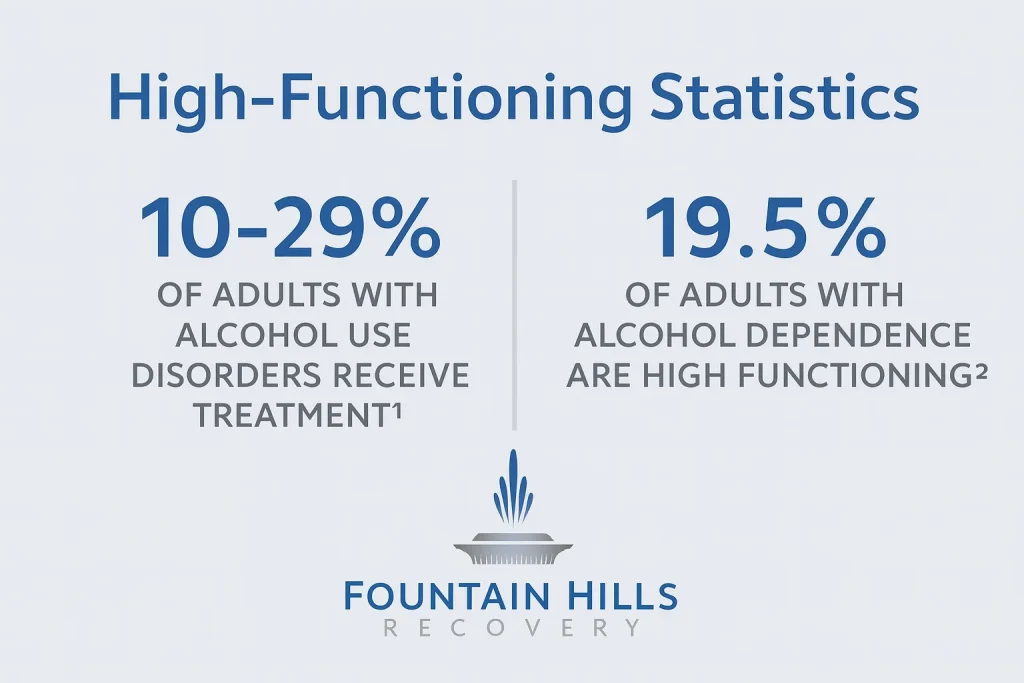
But high-functioning addiction is tricky like that. It gives you cover. It lets you hide in plain sight.
You’re the person who “has a lot on their plate,” not the one who’s numbing themselves to sleep every night. You’re the person who’s “always on,” not the one who’s scared of stopping long enough to feel.
The Cracks Were Quiet—but They Were There
Looking back, it wasn’t a crash. It was a leak.
I started forgetting things. Getting short with people I cared about. Avoiding phone calls I used to love. Drinking a little earlier. A little more. Telling myself it was just a season.
But my gut knew better. There was a moment—alone in my kitchen, drink in hand, house spotless, inbox zero—where I realized:
I’m managing everything except myself.
And that’s when the fear hit. Not because I’d been found out. But because I hadn’t. And I knew how good I was at hiding.
IOP Was the First Time I Didn’t Have to Perform
I didn’t want to go to rehab. I didn’t think I needed to “disappear” or hit bottom.
But I knew I needed help. I needed something structured, something real, something that didn’t require me to burn down my life to start fixing it.
The Intensive Outpatient Program at Fountain Hills Recovery gave me exactly that. I went multiple days a week. I still worked. Still lived at home. But for a few hours each day, I stopped pretending.
There were no costumes in that room. No ego to polish. Just people like me—brilliant, tired, scared, and ready.
The Lie of High-Functioning Addiction
Here’s what no one tells you: functioning isn’t the same as thriving.
Just because you’re holding it together doesn’t mean it’s not costing you everything.
For me, the price was emotional connection. Authentic joy. Sleep. Sanity. Peace.
I was chasing perfection and calling it self-control. I was numbing with alcohol and calling it winding down. I was emotionally unavailable and calling it boundaries.
IOP didn’t just help me stop drinking. It helped me start seeing the lies I’d been living—and calling them out for what they were.
What IOP Actually Looked Like
If you’re picturing stale chairs, bored therapists, or group clichés, think again.
Here’s what it actually looked like for me:
- Honest, clinical insight from people who understood nuance—not just slogans
- Group sessions where people talked about real things, not just rock bottoms
- Therapy that didn’t treat me like a stereotype
- Schedules that flexed with my work life, so I didn’t have to choose between treatment and income
- Space to unpack things I hadn’t touched in years—like grief, shame, and the way I equated silence with strength
IOP worked because it wasn’t about fixing me. It was about finally facing myself.
The Emotional Detox Was Harder Than The Physical One
I thought the withdrawal would be the worst part.
Spoiler: it wasn’t.
The hardest part was feeling everything I’d been running from. Sitting in silence without a drink. Walking into a room without armor. Saying “I’m not okay” out loud—for the first time in years.
But that emotional detox is where I finally found clarity. I had space to ask, What am I so afraid will happen if I slow down?
Turns out, the fear of falling apart was the very thing keeping me fragmented.
What My Life Looks Like Now (Spoiler: Still Functional—But Real)
I still work. Still show up. Still hit deadlines.
But now, I do it with clarity. With sleep. With actual connection to the people around me.
I have hard days. But I don’t have to drink to survive them. I have boundaries—but they’re real, not walls. I know the difference between being “on” and being authentically present.
And IOP was what helped me bridge that gap. Not because it fixed me. But because it finally gave me permission to stop fixing everything else first.
FAQ: Intensive Outpatient Program for High-Functioning Adults
Do I have to identify as an alcoholic to join an IOP?
No. Many people in IOP don’t label themselves. What matters is that your substance use is interfering with your quality of life. If you’re asking the question, it’s worth exploring.
Can I keep working while in the program?
Yes. Most IOPs—including the one at Fountain Hills Recovery—are designed with working professionals in mind. Sessions are typically scheduled during morning or evening blocks to fit your life.
What if I don’t “look” like someone who needs rehab?
That’s exactly why this blog exists. High-functioning doesn’t mean healthy. Many people in IOP appear successful from the outside. What matters is how you feel on the inside—and whether you’re using substances to keep going.
What if I’m afraid to tell anyone?
You don’t have to. Starting IOP is about you, not anyone else. Some people share it with close friends or partners; others keep it private. Either way, the work is real, and the change is yours.
What makes the Fountain Hills IOP different?
Fountain Hills Recovery offers a judgment-free, deeply experienced clinical setting for professionals and high-functioning adults who are ready to get real. You won’t be talked down to. You’ll be met where you are—and supported to go further than you thought possible.
Learn more about the program here.
Final Word (from One of Us)
You don’t have to hit rock bottom to decide you’re done living halfway.
You don’t need to lose everything to realize you want something more than “fine.” You can be the person who gets help while still holding a job, loving your family, and showing up—just with less fear and more truth.
I’m not less successful now. I’m just more honest.
And that has made all the difference.
Call (800) 715-2004 or visit Fountain Hills Recovery’s Intensive Outpatient Program to learn how your next chapter can begin—before it all falls apart. You don’t need to crash. You just need to stop running.