There’s a moment after a relapse that’s hard to describe—quiet but deafening.
You might be sitting alone, staring at your phone. The high is gone, the spiral stopped, and now it’s just you and a wave of self-talk that isn’t kind. It tells you, You blew it. You were doing so well. What’s the point now?
Let me be clear: the point is you are still here. Still breathing. Still capable of choosing differently. Relapse doesn’t erase the work you’ve done—it simply highlights where more support is needed. And if you’re an alum of a treatment program, it doesn’t mean you’ve failed. It means it’s time to reconnect.
At Fountain Hills Recovery, we support alumni who return to care not because they’ve “lost everything”—but because they remember how much they gained. And they know how to find their footing again.
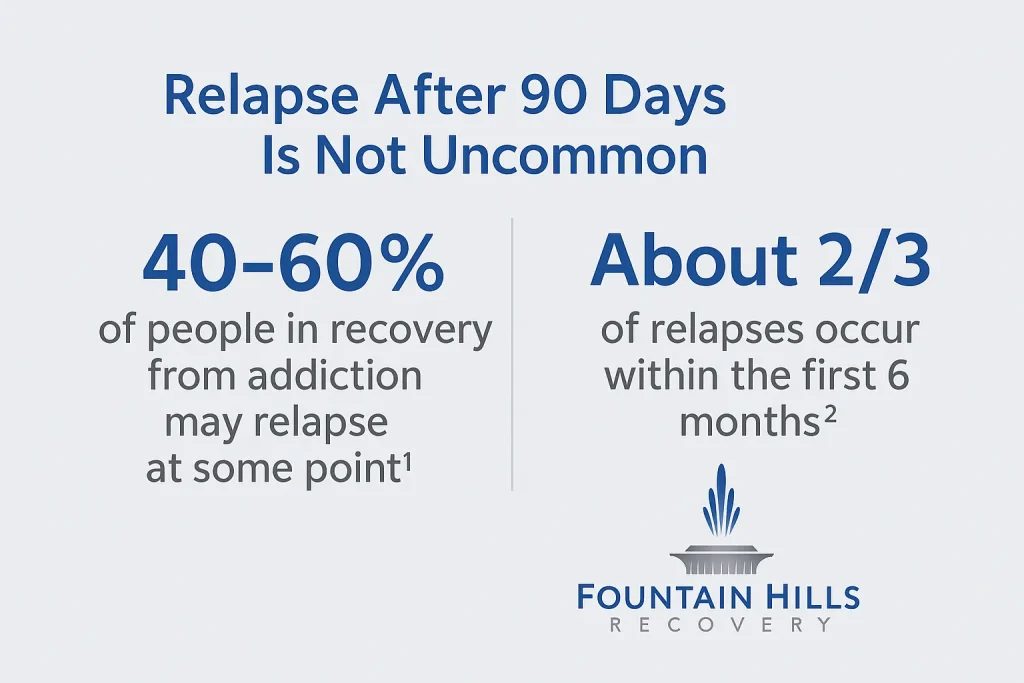
Relapse After 90 Days Is Not Uncommon
There’s an unspoken pressure in early recovery: Hit 90 days. Hit 6 months. Get the key tag. Be proud.
But here’s the truth clinicians and peers alike know well—relapse can happen after 90 days, 9 months, or even 9 years. That doesn’t mean you weren’t serious. It means you’re human, and something overwhelmed the tools you had at the time.
Sometimes it’s an old trauma you weren’t ready to name. Sometimes it’s a new stressor—grief, a relationship unraveling, burnout, boredom. Sometimes, it’s simply the weight of staying “okay” when you don’t feel okay at all.
None of that makes you weak. It makes you worthy of a response that goes deeper—not colder.
Returning to Treatment Doesn’t Mean Starting Over
If you’ve relapsed, your inner voice may be cruel. It might say:
- “I ruined everything.”
- “I have to start from scratch.”
- “They’re going to be disappointed in me.”
- “What’s the point of trying again?”
These thoughts are normal. But they’re not true.
Coming back to inpatient drug rehab as an alum is not like walking through the doors for the first time. You’re not the same person. You’ve built sobriety before. You’ve learned things that still live in you. That experience becomes the foundation—not something to be erased.
We don’t tear you down to “build you back up.” We support the part of you that already knows how to rise.
Inpatient Rehab Can Catch You When You’re Falling
Outpatient support and meetings are powerful. But after a relapse, they’re not always enough. Especially when:
- You’re overwhelmed by cravings or shame
- Your mental health has destabilized
- You’re hiding your use from your support system
- You feel like you’re one step from another spiral
Inpatient care offers what few other settings can: space, safety, and skilled containment. It gives you time to breathe. To be honest. To stabilize. And to recalibrate your recovery from a place of depth.
At Fountain Hills Recovery, we welcome alumni back with a treatment plan that reflects their past—and honors their present.
What Returning Alumni Often Discover
The first few days back in care after a relapse can be emotionally intense. Many alumni describe it like this:
- “I didn’t realize how much I needed this until I felt the relief.”
- “No one made me feel like I had to explain myself.”
- “This time, I’m going deeper. It’s not about counting days—it’s about facing what’s underneath.”
The beauty of a return isn’t in repeating the past. It’s in reclaiming it—on your terms.
You’re Not Alone in This
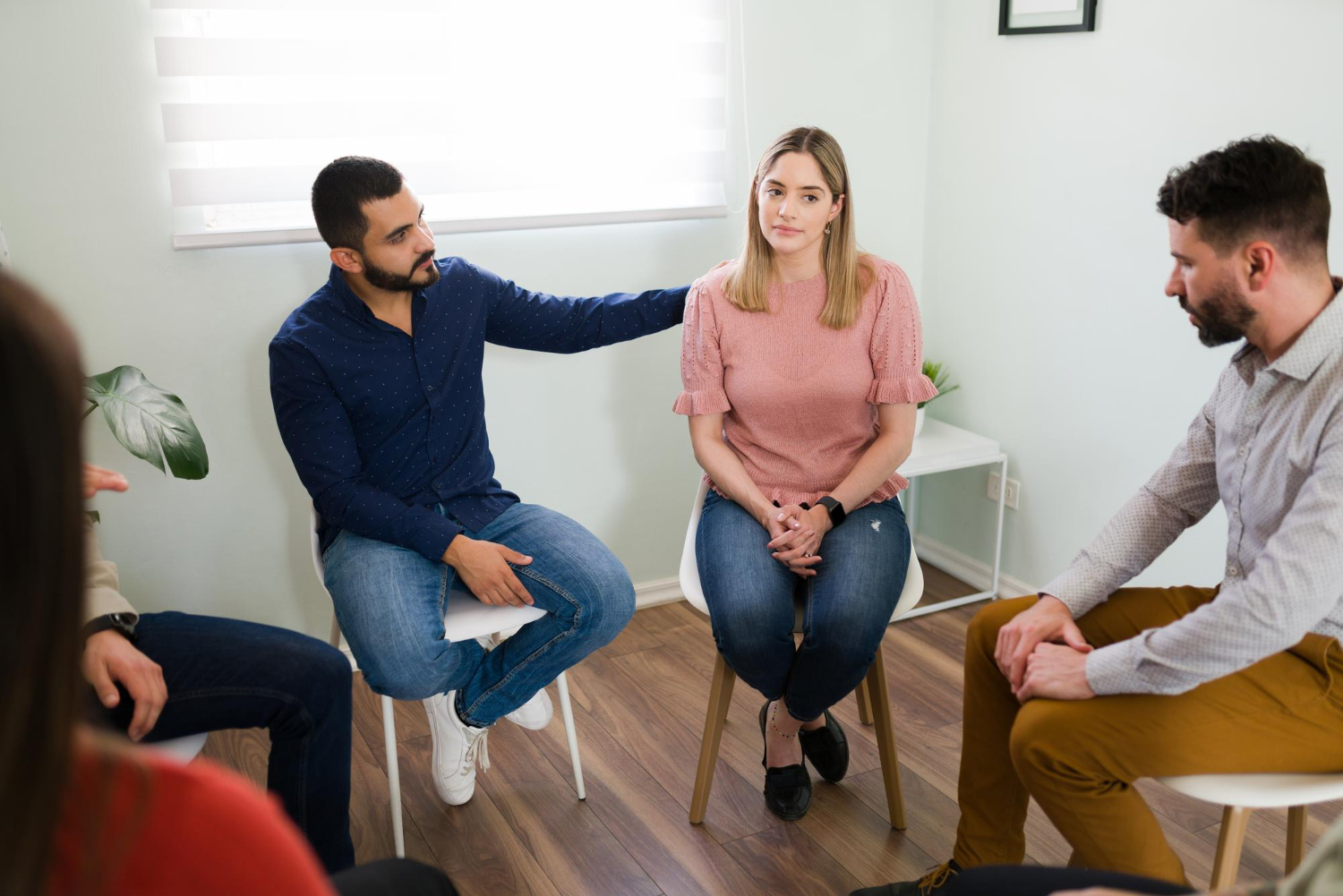
One of the hardest parts of relapse is the isolation. You may feel like you’ve let people down, or worse—let yourself down.
But here’s what we know:
- Relapse doesn’t erase your progress.
- Coming back is an act of strength, not failure.
- Your story is still unfolding.
You don’t have to do this in secret. In fact, you’re not meant to. The day you slipped may feel like a cliff, but with the right support, it can become a turning point.
And you don’t have to climb alone.
What Inpatient Drug Rehab Looks Like for Returning Clients
At Fountain Hills Recovery, returning alumni are met with recognition and tailored care—not judgment or generic protocols.
What this might include:
- A personalized re-assessment to identify what contributed to the setback
- Clinical support for new or resurfaced mental health symptoms
- Grief and trauma processing, when that’s what’s driving the urge to numb
- Re-engagement with peer support, in a place that already knows your name
- Time to rest in a setting that’s calm, beautiful, and built for healing
And yes, it’s still luxurious. Because you deserve to recover in a place that reminds you your life is valuable—even when you’ve forgotten it yourself.
Want to see what’s possible here? Visit our inpatient drug rehab program in Fountain Hills, AZ to learn more.
A Story That Might Sound Like Yours
One client returned to us after eight months clean. He’d stopped coming to meetings, stopped journaling, started saying he was “fine” too quickly.
Then one night turned into a weekend. And the shame set in.
He didn’t call for two weeks.
When he finally reached out, he expected us to be cold. Instead, we asked him, “How can we help you feel safe again?”
That’s the question we ask all returning alumni—not because you’re broken, but because safety—not shame—is the soil recovery grows in.
FAQ: Alumni Returning to Inpatient Drug Rehab
Is relapse a sign that treatment didn’t work?
No. It’s often a sign that additional support is needed, or that new issues have emerged that weren’t addressed last time. Treatment is rarely one-and-done. It’s a process that evolves with you.
Will I be judged or treated like a failure if I return?
Absolutely not. Our clinical team sees relapse as part of many people’s journey. You will be met with respect, clarity, and compassion—not shame.
Do I have to go through detox again?
It depends on the substance, length of use, and medical risk. Our team will assess your needs and, if detox is required, support you through it with care and comfort.
How soon can I get back into inpatient care?
We strive to make the process as fast and seamless as possible—especially for alumni. Call us directly at (800) 715-2004 and let us know you’re returning.
Will my treatment be the same as before?
No. Your care plan will reflect both your past treatment and current needs. We’ll adjust our approach to meet you exactly where you are now.
If You’re Thinking About Calling—This Is Your Sign
You haven’t failed. You’ve felt pain and reached for something that used to help. That doesn’t define you.
What defines you is what you choose now. And if you choose to come back—not to punishment, but to healing—we will meet you with open hands.
You don’t have to explain. You don’t have to apologize. You just have to reach out.
Call (800) 715-2004 or visit Fountain Hills Recovery’s Inpatient Drug Rehab page to learn how we support alumni after relapse. You’re not starting over. You’re coming home to the part of you that still wants healing.