


Yes, stress can keep you awake at night. It activates your HPA axis and sympathetic nervous system, releasing cortisol, CRH, and noradrenaline just when you’re trying to wind down. These chemicals delay sleep onset, reduce deep sleep, and make you wake more often. Worry also keeps your mind alert and threat-focused. The good news? Short-term stress usually disrupts your sleep only temporarily. Understanding what’s happening at bedtime, and why, can help you reclaim restful nights.
Key Takeaways
- Stress can keep you awake at night, and stress and anxiety are among the leading reasons people struggle to fall asleep.
- Stress activates the HPA axis and sympathetic nervous system, releasing cortisol, CRH, and noradrenaline that heighten alertness and delay sleep.
- Stress hormones can reduce deep slow-wave sleep and cause lighter, fragmented sleep with more frequent nighttime awakenings.
- Persistent worry creates a racing mind and ongoing hyperarousal, which can link bedtime with wakefulness and fuel an insomnia cycle.
- Short-term stress-related sleeplessness usually resolves, but see a clinician if poor sleep and daytime impairment persist after the stressor ends.
Can stress keep you awake at night
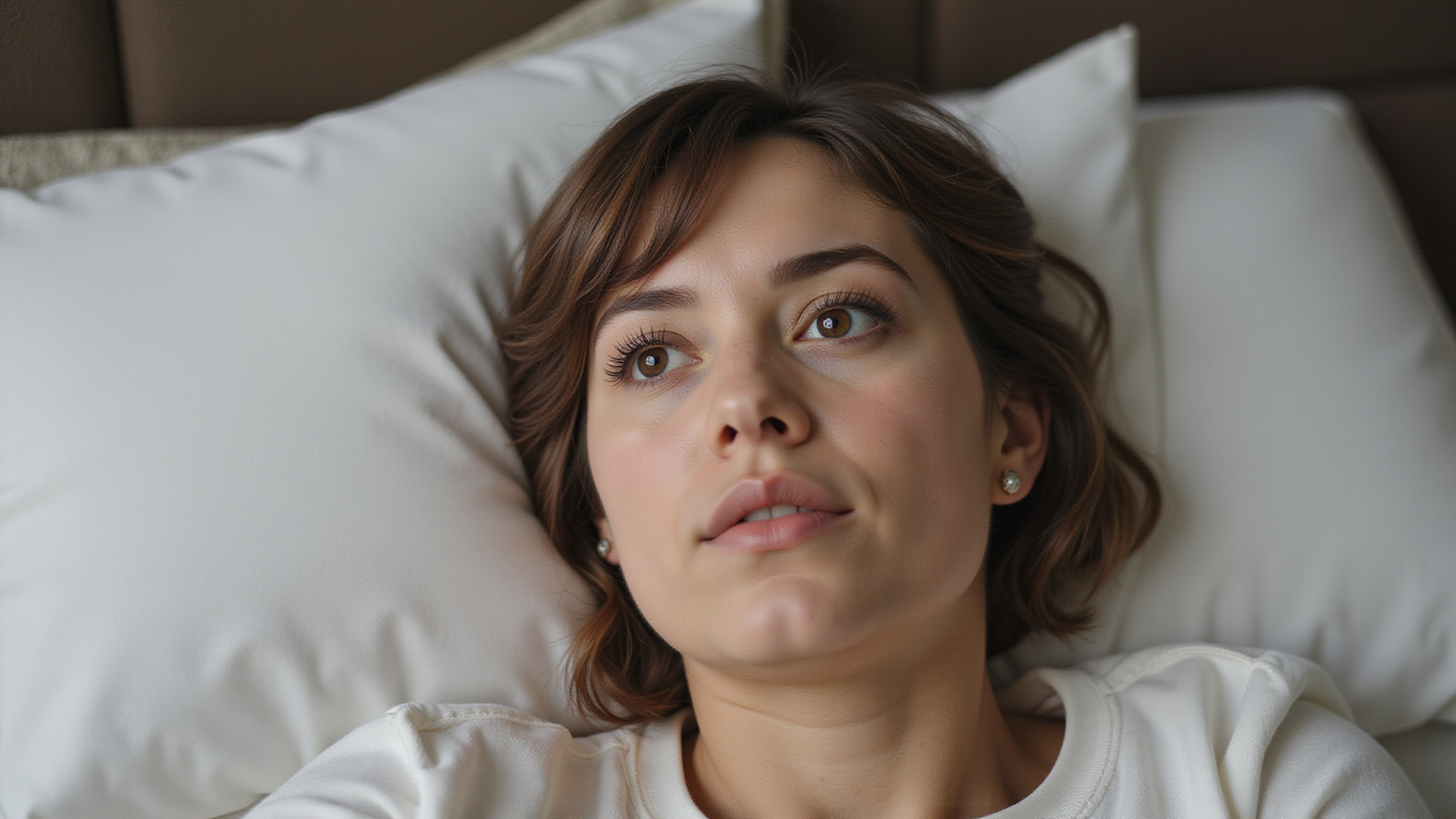
Yes, stress can keep you awake at night, and it’s one of the most common reasons people struggle to fall asleep. In one survey, 54% of adults named stress and anxiety as leading reasons for difficulty falling asleep. Stress activates both your HPA axis and sympathetic nervous system, releasing alertness chemicals like cortisol and noradrenaline that oppose your body’s normal preparation for sleep. Persistent worry can also sustain your nighttime mental alertness. If you’re under stress, can’t sleep, and feel wired at bedtime, you’re far from alone. Reassuringly, if you can’t sleep due to stress, it’s often short-term insomnia that resolves within days or weeks once the stressful event passes.
How does stress disrupt each stage of sleep
Stress disrupts sleep at three points, falling asleep, staying in deep sleep, and staying asleep, though it can affect your whole night.
| Sleep Point | How Stress Interferes |
|---|---|
| Falling asleep | Cortisol, CRH, and noradrenaline raise alertness, delaying sleep onset |
| Deep sleep | Stress hormones have been linked to reduced slow-wave sleep |
| Staying asleep | Lighter, fragmented sleep brings more nighttime awakenings |
If you’ve asked, “Is stress keeping me awake?”, these patterns can help you spot where it’s acting. The cycle can reinforce itself: each awakening may trigger cortisol release, and sleep loss activates stress systems. Still, effects vary between people, and cortisol isn’t the only factor. The reassuring news is that deep sleep dampens stress-response activity, so protecting it helps break the cycle.
What does it do to the body at bedtime
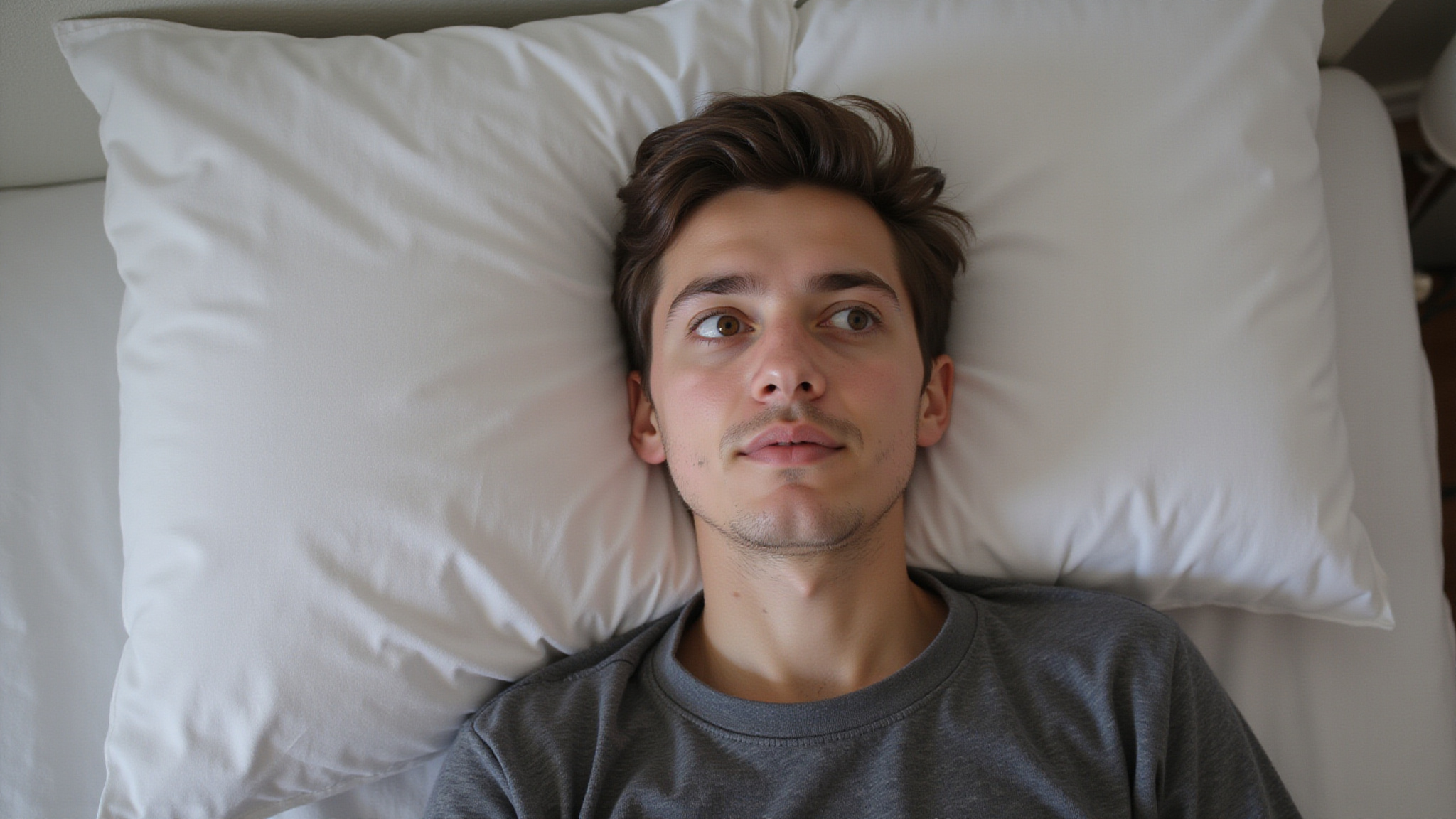
At bedtime, stress keeps your body’s alarm system switched on when it should be winding down. It activates your hypothalamic-pituitary-adrenal (HPA) axis and sympathetic nervous system. These systems release cortisol, CRH, and noradrenaline, chemicals that heighten alertness and oppose your body’s normal preparation for sleep. Some insomnia studies show higher cortisol and ACTH levels in the evening and early night, though results aren’t always consistent. Your mind plays a role, too. Worry sustains cognitive and emotional arousal, engaging brain systems tied to threat response.
Sleep, especially deep sleep, helps quiet these stress systems. Cortisol alone doesn’t explain stress-related sleeplessness. Multiple biological and behavioral processes contribute. Still, short-term stress insomnia often passes within days or weeks. If it persists, see a clinician.
Why does a racing mind refuse to switch off
A racing mind refuses to switch off because stress keeps your brain in a state of heightened cognitive and emotional arousal. Researchers propose this persistent arousal as one pathway linking stress with poor sleep. Worry can keep brain systems tied to threat detection and alertness active, signaling that it isn’t safe to rest. In one survey, 54% of adults named stress and anxiety as leading reasons they struggled to fall asleep.
If you often lie awake thinking, your brain may start linking bedtime with wakefulness, which can feed an ongoing insomnia cycle. Cortisol alone doesn’t explain this pattern; several biological and behavioral processes contribute. That’s encouraging, because it means you have more than one way to interrupt it.
How is short-term stress different from chronic stress on sleep

Short-term stress disrupts sleep temporarily, while chronic stress can keep you hyperaroused and sustain insomnia even after the original stressor fades. Acute insomnia often follows a deadline, conflict, or loss and lasts days or weeks. It’s common: adjustment insomnia affects an estimated 15, 20% of adults annually, while fewer than 10% develop chronic insomnia.
The two patterns compare as follows:
- Short-term: you struggle to fall asleep after a specific stressor.
- Short-term: your sleep recovers once the pressure eases.
- Persistent: you stay hyperaroused even when the original stressor fades.
- Persistent: your stress systems may remain active, fragmenting sleep.
- Persistent: your bed can become linked with wakefulness, sustaining the cycle.
If poor sleep and daytime impairment continue, you’ll benefit from a clinical assessment. Stress may not be the only cause, so identifying what’s driving it matters.
What wind-down steps help you fall asleep
Wind-down steps that help you fall asleep are the ones that lower your body’s alertness before you get into bed, since stress keeps those systems active at night. Give yourself a buffer. Set aside a few minutes earlier in the evening to write down worries and next steps, so you aren’t sorting through them in the dark. Dim lights, put work away, and choose quiet, predictable activities that signal the day is ending.
If you can’t fall asleep after a while, get up and do something calm elsewhere until you feel drowsy. This helps keep your bed from becoming linked with wakefulness.
These steps won’t erase every stress response, and occasional bad nights are normal. If sleep trouble persists and affects your daytime functioning, talk with a clinician.
When is sleeplessness a bigger problem to address
Sleeplessness becomes a bigger problem when it lasts well beyond a stressful event or starts to disrupt your daily life. Short-term sleeplessness after a stressful event is common and usually fades within days or weeks. Adjustment insomnia affects an estimated 15, 20% of adults each year, but fewer than 10% develop chronic insomnia. Consider a clinical assessment if you notice:
- Trouble sleeping that continues long after the stressful event has passed
- Daytime fatigue, poor concentration, or irritability that affects work or relationships
- Frequent nighttime awakenings that leave your sleep light and fragmented
- Dread or alertness that builds as bedtime approaches
- Reliance on alcohol, sedatives, or other aids to fall asleep
Don’t assume stress is the only cause. Persistent insomnia can involve ongoing hyperarousal, and other conditions may contribute. A clinician can identify what’s driving your sleeplessness and recommend treatment, so you can break the cycle.
Conclusion
So, can stress keep you awake at night? Absolutely, and now you know why: stress switches on your HPA axis and sympathetic nervous system, flooding you with cortisol, CRH, and noradrenaline exactly when your body should be powering down, while a worried, threat-focused mind keeps the lights on upstairs. The result is harder sleep onset, less deep slow-wave sleep, and lighter, more fragmented nights. The genuinely reassuring part is that most stress-related sleeplessness is short-term and resolves within days or weeks once the pressure lifts, and that deep sleep itself helps quiet the stress response, so protecting it helps break the cycle. You can give yourself real leverage with simple wind-down habits: a worry buffer earlier in the evening, dimmer lights, quieter activities, and getting out of bed when sleep won’t come so your bed stays linked with rest. But when poor sleep lingers long after the stressor is gone, drags on your days, or leans on alcohol or sedatives to get through the night, that’s the signal to reach out. Stress isn’t always the only cause, and a clinician can pinpoint what’s really driving it and help you reclaim restful nights for good.
Break the Stress-Sleep Cycle for Good
Chronic stress disrupts sleep night after night, and professional care addresses the underlying anxiety keeping you awake. At Fountain Hills Recovery in Fountain Hills, AZ, we offer Anxiety Treatment that helps calm your nervous system and restore healthy sleep patterns. Verify your insurance or Call +1 (888) 788-7033 today.
Frequently Asked Questions
Can Caffeine Make Stress-Related Sleeplessness Worse?
Yes, it can. Caffeine is a stimulant, so it adds to the same alertness that stress already produces by activating your HPA axis and sympathetic nervous system, raising chemicals like cortisol and noradrenaline that oppose your body’s sleep preparation. Cutting caffeine earlier in the day gives those systems more time to settle before bed. If you’re sleeping poorly for weeks, you’ll benefit from a clinical assessment rather than assuming a single cause.
Does Exercising in the Evening Help or Hurt Stressed Sleepers?
Evening exercise affects people differently. For some, it burns off stress and supports sleep; for others, an intense late workout raises alertness-related chemicals like cortisol and noradrenaline that can delay sleep onset. If you notice evening workouts leave you wired, try shifting them earlier in the day. If sleep trouble persists, you’ll benefit from a clinical assessment rather than assuming stress explains everything.
Can Napping During the Day Make Nighttime Stress Insomnia Worse?
It can. Long or late naps may reduce your sleep drive, making it harder to fall asleep when stress already keeps you alert. Repeated nighttime wakefulness can also become linked with bedtime, feeding an insomnia cycle. If you nap, keep it brief and early. Short-term stress-related insomnia often resolves within days or weeks, but persistent trouble with daytime effects deserves clinical assessment.
Do Sleep Trackers Help or Increase Anxiety About Sleep?
They can do either. Trackers may help you spot patterns, but if checking scores fuels worry, they can feed the arousal that keeps you awake. Stress-response activity raises alertness and delays sleep, and repeated wakefulness can become linked with bedtime. If you notice data-driven worry, take a break from tracking. Reassuringly, consumer devices aren’t diagnostic, so if poor sleep and daytime effects persist, you’ll likely benefit from a clinical assessment.
Can Stress Cause Nightmares or Vivid Dreams?
Stress can contribute. It makes your sleep lighter and more fragmented, with more nighttime awakenings, and waking more often may help you remember dreams more vividly. Stress hormones may also reduce your deep sleep. If you’re having frequent, distressing nightmares or ongoing daytime effects, you’ll benefit from a clinical assessment rather than assuming stress explains everything.