
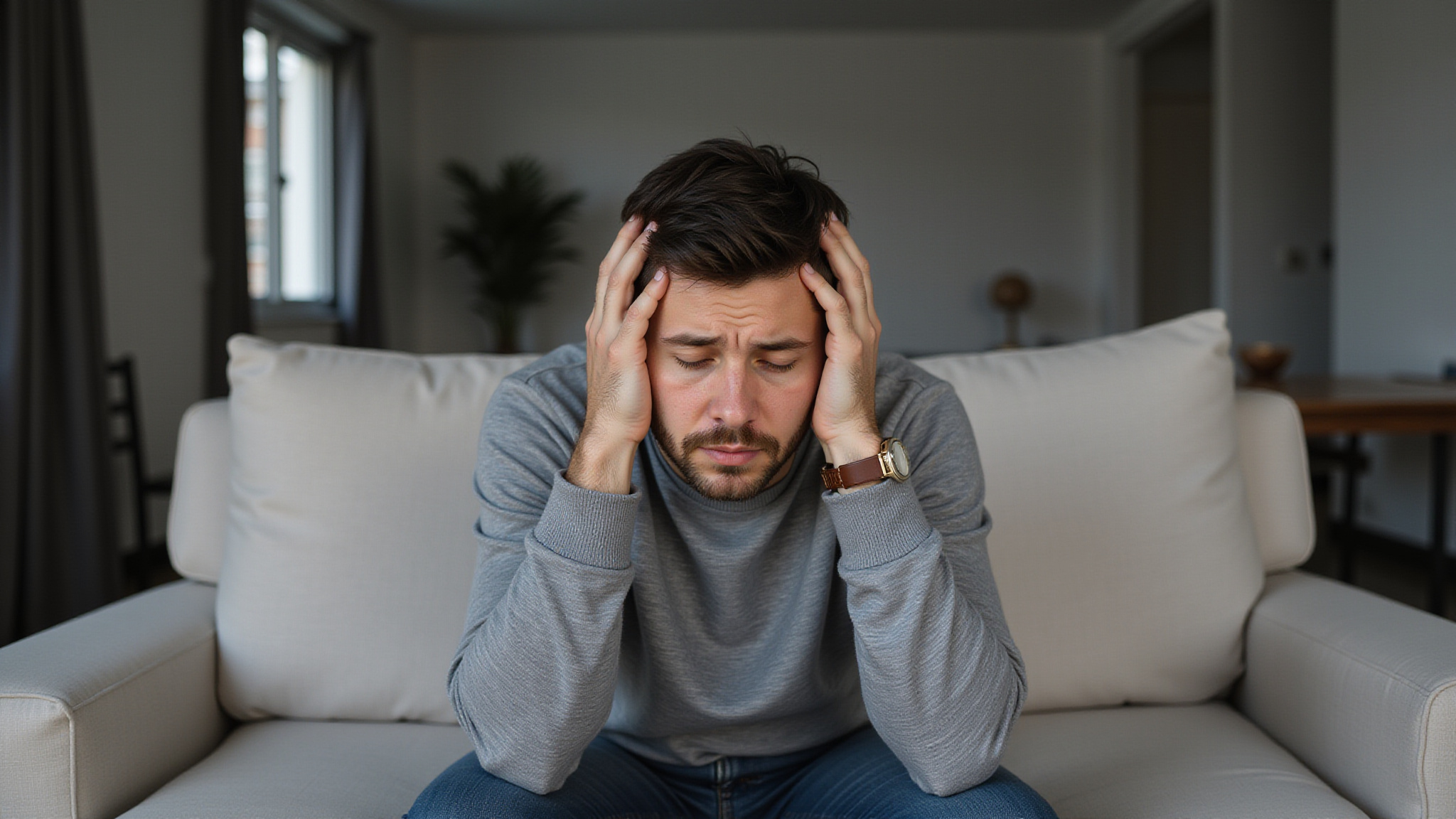

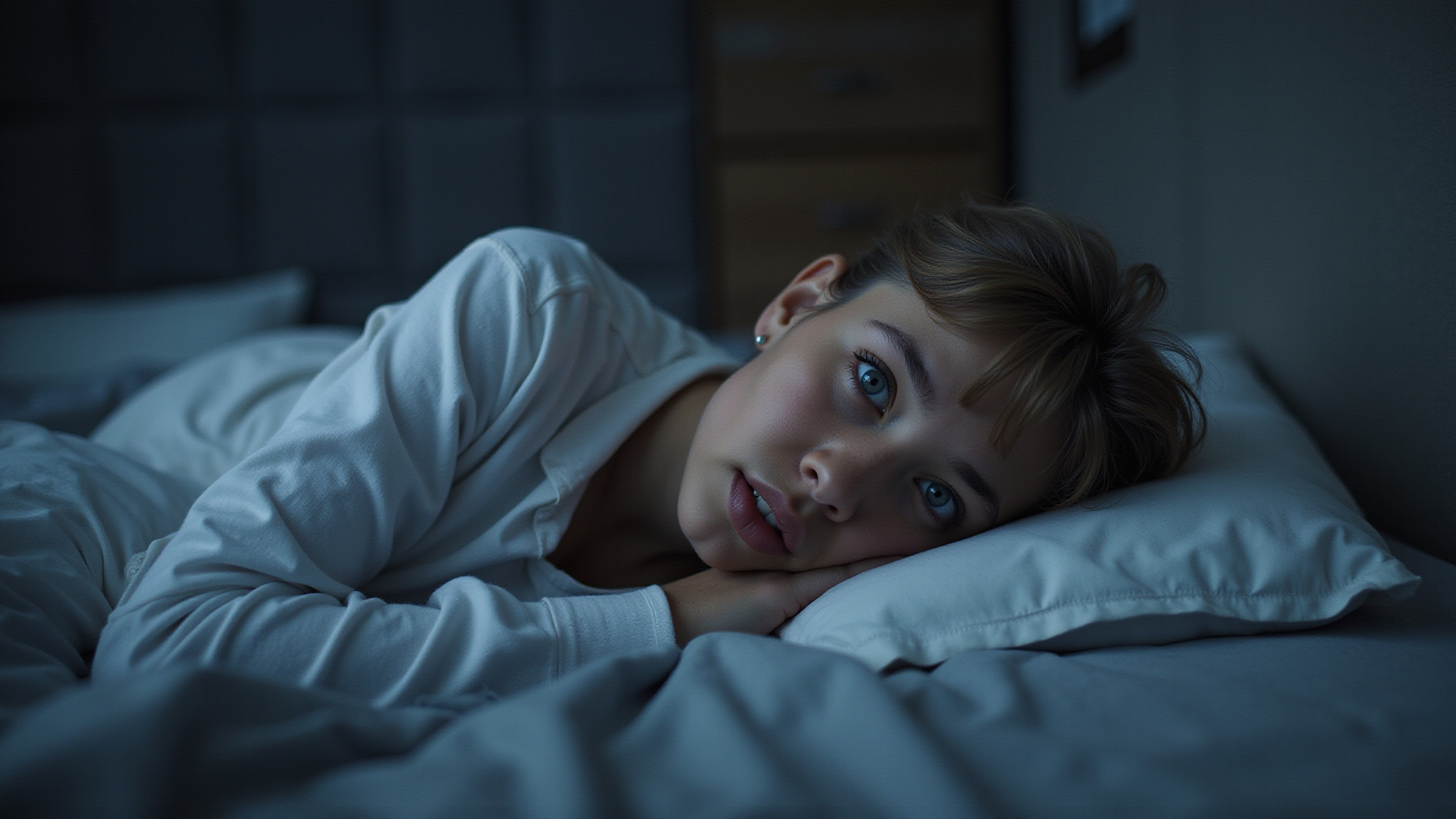
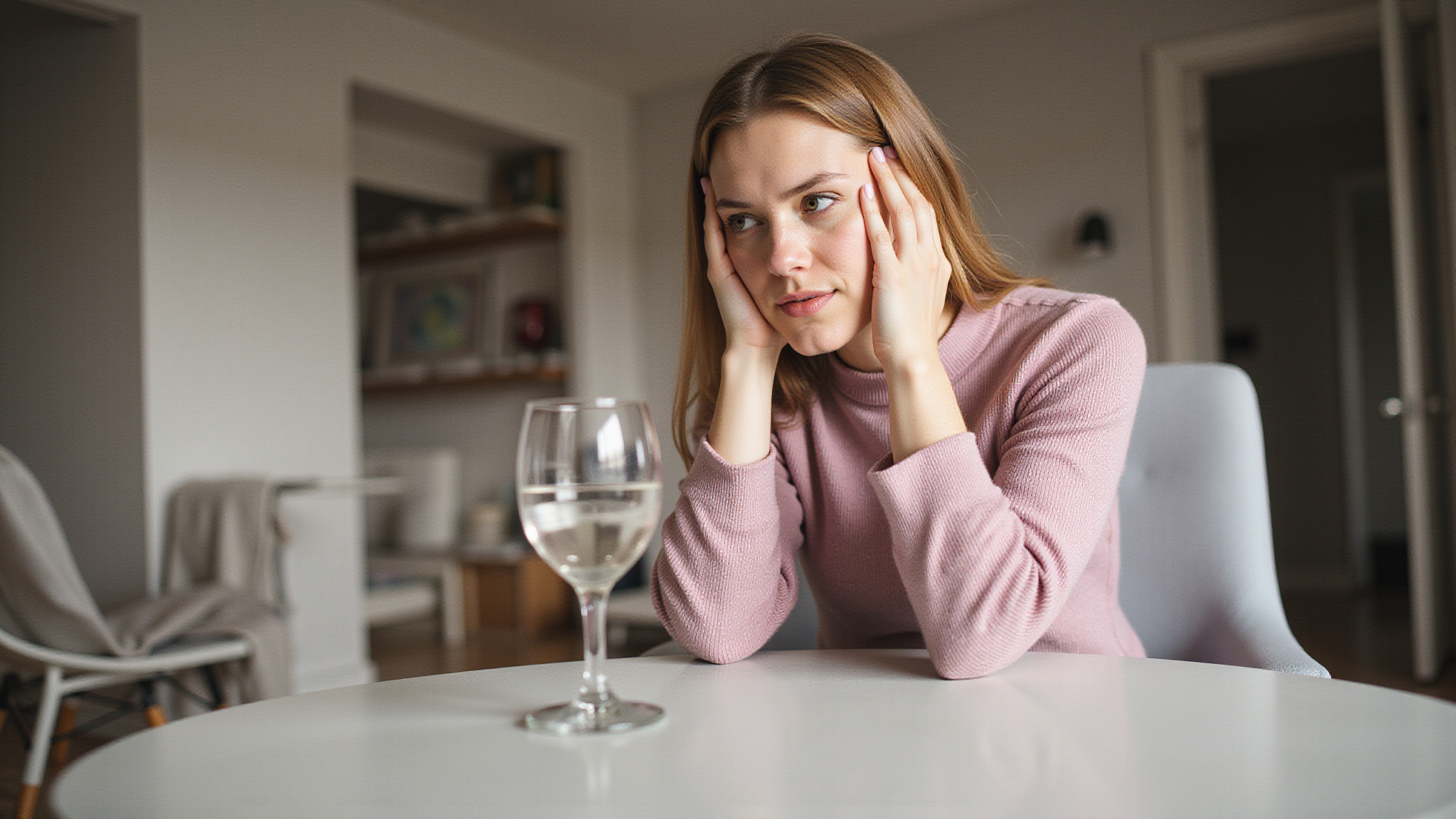
Anxiety often gets worse at night because daytime distractions that keep worry in check disappear. In a quiet, dark room, your attention turns inward. You’re more aware of your heartbeat, tense muscles, and racing thoughts. Unresolved stress resurfaces, and fatigue lowers your ability to cope. Your body clock plays a role, too. Research shows fear responses run higher at night, even without anxiety disorders. Once you understand these triggers, you’ll find practical ways to calm your nights.
Key Takeaways
- Fewer distractions at night leave more room for rumination, so worries set aside during the day often resurface.
- Quiet, still surroundings make heartbeat, muscle tension, and breathing more noticeable, and misreading these sensations can amplify fear.
- Evening cortisol decline and growing fatigue reduce alertness and coping capacity, making problems feel harder to manage.
- Research shows fear responses and racing thoughts run higher at night, even in people without anxiety disorders.
- Anxiety disrupts sleep, poor sleep weakens coping, and worrying about lost sleep keeps the cycle going.
Why does anxiety get worse at night
Anxiety often gets worse at night because daytime tasks and social distractions fade, leaving your mind more room for rumination and racing thoughts. That’s why worry that felt manageable at noon can suddenly feel overwhelming at midnight. Lying still in a quiet room also makes your heartbeat, muscle tension, and other bodily sensations more noticeable. Research supports this pattern: a 2024 study found racing thoughts were worst in the evening, and other studies show fear responses run higher at night, even in people without anxiety disorders. Sleep plays a role too. Anxiety disrupts sleep, and poor sleep amplifies anxiety, creating a cycle that fuels nighttime anxiety. If you notice anxiety at night, or anxiety only at night, it usually doesn’t signal a new, more dangerous condition; it reflects shifts in attention and routine.
What makes nighttime anxiety spike
Nighttime anxiety spikes because of your body’s daily rhythms combined with fewer distractions, lingering daytime stress, and stimulants. Cortisol naturally declines in the evening, and sleep pressure builds the longer you’re awake, so your alertness drops and worries can feel harder to manage. Anxiety usually gets worse at night because several triggers work together:
| Factor | What happens | How it affects you |
|---|---|---|
| Fewer distractions | Quiet leaves room for rumination | Racing thoughts intensify |
| Daytime stress | Unresolved worries carry into bedtime | Tension rises as you lie down |
| Stimulants | Caffeine and nicotine increase arousal | Falling asleep gets harder |
Poor sleep then worsens anxiety, and worrying about lost sleep keeps the cycle going. It’s a common pattern, not a sign you’re failing.
How does a quiet, dark room amplify worry
A quiet, dark room amplifies worry by removing the tasks, conversations, and sensory input that occupy your attention during the day, so your mind turns inward. Without those distractions, you’ve got more room for rumination and racing thoughts, and unresolved worries from the day often resurface. Lying still in silence also makes bodily sensations easier to notice. You might register your heartbeat, muscle tension, or shallow breathing, then interpret those signals as signs that something’s wrong.
Your brain may react more strongly at this hour. Research has found greater fear responses to stimuli at night than during the day, even in people without anxiety disorders. This heightened sensitivity doesn’t signal a worsening condition. It reflects shifts in attention and routine.
How do daytime stress and fatigue carry into the night
Daytime stress and fatigue carry into the night as unresolved worries resurface, sleep pressure builds, and your ability to cope declines by evening. Worries you’ve set aside during work, errands, or conversations can return when you stop moving, and in susceptible people, ongoing stress or past trauma may trigger nighttime anxiety or even panic. Fatigue compounds the problem. The longer you’re awake, the more sleep pressure builds, while alertness and cognitive function decline as evening approaches. That drop can make problems feel harder to manage than they did earlier. Caffeine, nicotine, or other stimulants you’ve used during the day may also keep your body aroused. Anxiety and sleep also reinforce each other: anxiety disrupts sleep, poor sleep weakens your capacity to cope with stress, and worrying about lost sleep makes rest even harder. One hard day can shape tonight.
How does your body clock affect it at night

Your body clock lowers the alertness signals that help you manage worries during the day, which can make anxiety feel heavier at night. Cortisol normally declines in the evening as part of your daily rhythm, and as alerting signals drop, your cognitive function may dip too. Sleep pressure also builds the longer you stay awake, so you’re often facing worries with fewer mental resources.
Researchers have also proposed that high daytime and evening arousal may disrupt sleep-related hormonal timing, though the mechanism isn’t settled. No single biological explanation accounts for nighttime worsening. Instead, your symptoms likely reflect overlapping factors: shifting rhythms, accumulated wakefulness, and fewer distractions. Recognizing this can help you see these feelings as a predictable pattern, not automatically a sign something’s wrong.
What habits before bed make it worse
Using stimulants late in the day, carrying unresolved stress into bed, watching the clock, and lying still in silence can all make nighttime anxiety worse. Caffeine, nicotine, and other stimulants can heighten nighttime arousal and may contribute to panic symptoms, so that late coffee or evening cigarette could be working against you.
Carrying unresolved daytime stress straight into bed also matters. Without tasks or conversations to occupy your mind, ongoing worries have more room to grow into rumination and racing thoughts.
Watching the clock or fixating on how little sleep you’ll get can backfire, too. Worrying about sleep loss makes falling asleep harder, and poor sleep then worsens anxiety, reinforcing the cycle.
Lying still in silence can make your heartbeat or muscle tension more noticeable. If you’re already anxious, you may interpret these normal sensations as threats, which fuels more alarm.
How do you quiet anxiety at night
You quiet anxiety at night by reversing the habits that feed it, giving your worries an earlier outlet, and getting out of bed when you can’t sleep. Cut caffeine, nicotine, and other stimulants well before bed, since they can heighten nighttime arousal. Because fewer distractions leave more room for rumination, write your worries down in the evening so they’re not waiting for you in the dark. If you can’t sleep, don’t lie there fighting it. Worrying about lost sleep can make sleep harder, so get up, do something calm, and return when you feel drowsy. During a panic surge, remember that episodes usually pass within minutes. If symptoms are new, severe, or recurring, or you wake gasping or choking, see a clinician. Sleep apnea, asthma, or thyroid problems can mimic panic and deserve proper assessment.
Conclusion
If your worries feel loudest after dark, there’s a clear reason, and it isn’t that something is suddenly wrong with you. At night the daytime distractions that keep worry in check fall away, so your mind turns inward and has more room to ruminate. In the quiet, you notice your heartbeat, your muscle tension, and your breathing, and it’s easy to misread those normal sensations as danger. Add in a natural evening drop in cortisol, mounting fatigue, lingering stress from the day, and a body clock that heightens fear responses at night, and it makes sense that midnight worry can feel heavier than it did at noon. The encouraging part is that this is a predictable, common pattern, not a sign you’re failing, and you can interrupt it: cut stimulants well before bed, give your worries an earlier outlet on paper, and get up to do something calm instead of lying there fighting sleep. One important caution stays, though: if your nighttime symptoms are new, severe, or recurring, or you wake gasping or choking, don’t assume it’s only anxiety, because sleep apnea, asthma, or thyroid problems can mimic panic and deserve a proper check. When nighttime anxiety keeps returning, reaching out for specialized care can help you calm your nights and address what’s driving the worry at its roots.
Treat Nighttime Anxiety Where It Starts
Nighttime anxiety often reveals deeper emotional patterns that stay hidden beneath the busyness of daytime life, and specialised care brings lasting relief. At Fountain Hills Recovery in Fountain Hills, AZ, we provide expert Anxiety Treatment through evidence-based therapies designed to calm the mind and heal anxiety at its roots. Verify your insurance or Call +1 (888) 788-7033 today.
Frequently Asked Questions
Is Nighttime Anxiety the Same as a Nocturnal Panic Attack?
No, they aren’t the same. Nighttime anxiety usually builds gradually as fewer distractions leave you more room for worry, racing thoughts, and awareness of bodily sensations. A nocturnal panic attack is a sudden episode of intense fear that wakes you from sleep, often with a racing heart, sweating, or shortness of breath. If you have new, severe, or recurring symptoms, don’t assume it’s anxiety alone. Seek clinical assessment.
Can Sleep Apnea Cause Symptoms That Feel Like Nighttime Panic Attacks?
Yes, sleep apnea can produce breathing sensations and sudden awakenings that resemble or contribute to nocturnal panic symptoms. You might wake gasping, choking, or short of breath, with a racing heart and intense fear. Because insomnia and sleep apnea are both risk factors for nocturnal panic attacks, you deserve a clinical assessment if these frightening episodes keep happening. Don’t assume your new, severe, or recurring nighttime symptoms are anxiety alone.
How Long Does a Nocturnal Panic Attack Usually Last?
A nocturnal panic attack usually lasts a few minutes, though you may need longer to calm down and fall back asleep. During the episode, you might notice a racing heart, sweating, trembling, shortness of breath, or chest discomfort. If you’re also having daytime attacks, nighttime episodes become more likely. Don’t assume new, severe, or recurring symptoms are anxiety alone. A clinician can check for sleep apnea or other underlying conditions.
When Should Nighttime Anxiety Symptoms Be Checked by a Doctor?
You should see a doctor if your nighttime symptoms are new, severe, or keep coming back. Don’t assume chest pain, shortness of breath, or choking sensations are anxiety alone, since they can signal a medical emergency. Frequent breathing-related awakenings may point to sleep apnea, and asthma or thyroid conditions can mimic panic. If poor sleep and worry are feeding each other, a clinician can help you break that cycle effectively.
Can Thyroid Problems or Asthma Mimic Anxiety Symptoms at Night?
Yes, they can. Asthma and thyroid conditions can cause symptoms that resemble panic, such as a racing heart, shortness of breath, chest discomfort, sweating, or trembling. Sleep apnea can also trigger breathing sensations and awakenings that feel like nighttime panic. It’s understandable to worry, but you shouldn’t assume new, severe, or recurring nighttime symptoms are anxiety alone. Ask your doctor for an assessment so you can get the right treatment.