





There’s a particular kind of hypervigilance that shows up in some relationships — scanning for signs that the other person is pulling back, reading too much into a delayed text, feeling a disproportionate spike of fear after a minor disagreement. From the outside it can look like insecurity or neediness. From the inside it feels like a reasonable response to a very real threat, even when the evidence doesn’t support it.
For a lot of people, that pattern has a name: abandonment trauma. It’s not a formal DSM diagnosis, but it describes something real — a wound that forms when loss, rejection, or emotional absence becomes a defining early experience, and that keeps shaping how a person moves through relationships long after the original event.
This post covers what abandonment trauma actually is, where it comes from, how it shows up in adult life, and what treatment looks like for people who want the pattern to change rather than just manage it.
What Is Abandonment Trauma?
Abandonment trauma is an emotional wound that develops when a person experiences significant loss, rejection, or neglect — whether physically, as when a parent leaves or dies, or emotionally, as when a parent is present but consistently unavailable. The wound isn’t just about the loss itself. It’s about what the loss gets internalized as: the belief, usually formed early and often below the level of conscious awareness, that the self is fundamentally unworthy of being kept.
That internalized belief is what distinguishes abandonment trauma from ordinary grief. Grief fades. Abandonment trauma travels forward into every new relationship, shaping how much trust a person can offer, how much closeness they can tolerate, and how they respond when intimacy starts to feel real.
Clinically, abandonment trauma shows up within presentations of PTSD, attachment disorders, borderline personality disorder, and anxiety — often without being named as abandonment specifically.
What Causes Abandonment Trauma?
The roots are most often in childhood, though adult experiences can either create the wound or reopen an existing one.
Childhood origins:
- Physical abandonment — a parent who left, died, was incarcerated, or was otherwise absent from the child’s daily life
- Emotional abandonment — a parent who was physically present but emotionally unavailable, whether due to addiction, depression, emotional immaturity, or simply not knowing how to connect
- Inconsistent caregiving — an environment where the parent was sometimes warm and sometimes frightening or absent, with no reliable pattern the child could depend on
- Family instability — divorce, frequent moves, or household chaos experienced by the child as loss of safety rather than adult logistics
Adult experiences that compound or create the wound:
- Sudden or unexplained endings to significant relationships
- Betrayal or infidelity that wasn’t just a loss but a revelation that someone wasn’t who they appeared to be
- Repeated experiences of rejection in friendships, romantic relationships, or professional settings
Emotional abandonment in childhood is probably the most commonly underestimated cause. A parent who was physically there but who couldn’t or didn’t provide attunement, comfort, or consistent emotional presence created an absence that was often harder to name than physical loss — and sometimes harder to heal, precisely because the child had no framework for what was missing.
Signs of Abandonment Trauma in Adults
The signs are relational and behavioral, and they’re often consistent enough that people recognize them immediately when they read them:
- Intense fear of rejection, even in situations that don’t carry significant rejection risk
- Difficulty trusting partners or friends even when there’s no history of betrayal with that specific person
- People-pleasing — saying yes when you mean no, minimizing your own needs to avoid conflict or disappointing someone
- Jealousy or hypervigilance about a partner’s attention, whereabouts, or feelings toward others
- Sabotaging relationships that feel stable or good — pushing away the person before they can leave
- Patterns of choosing emotionally unavailable partners, which recreates the original wound without the person necessarily understanding why
- Difficulty being alone, even briefly, without significant distress
- Anxiety that spikes sharply after conflict — out of proportion to what the conflict actually involved
- Trouble knowing where you end and another person begins; boundaries that are either too rigid or essentially absent
Not everyone with abandonment trauma will recognize all of these. Some people go quiet and avoidant rather than anxious and clingy — the same underlying wound, different defensive strategy.
How Abandonment Trauma Affects Relationships
The two most common attachment patterns that develop out of abandonment trauma are anxious attachment — constant monitoring for signs of withdrawal, reassurance-seeking, difficulty tolerating any emotional distance — and avoidant attachment — walls that go up when intimacy deepens, a tendency to feel more comfortable emotionally when someone isn’t too close.
Both patterns are rooted in the same experience: intimacy is associated with eventual loss, so some part of the nervous system stays ready for it. The anxious person tries to prevent the loss by holding on tighter. The avoidant person tries to prevent it by never fully arriving in the first place.
A pattern worth noting: people with abandonment trauma often end up in relationships with partners who are emotionally inconsistent or unavailable. This isn’t random. Inconsistency feels familiar, and the intermittent reward of an inconsistent partner — when they’re warm, it feels earned; when they’re cold, it triggers the familiar chase — produces a powerful attachment that stable relationships often don’t match, at least not at first.
The Link Between Abandonment Trauma and Substance Use
Abandonment trauma and substance use co-occur frequently, and for reasons that make sense once you understand both. The emotional intensity of abandonment-related anxiety — the fear, the hypervigilance, the depression that follows perceived rejection — is genuinely hard to carry without some form of relief. Substances provide that relief. Alcohol dulls the hypervigilance. Stimulants temporarily fill the numbness. Opioids can produce a warmth that feels, briefly, like the connection that’s otherwise felt unavailable.
The problem is that the relief is temporary and the underlying wound remains completely untouched. Treating addiction without addressing the trauma that’s driving it is one of the most reliable routes to relapse. The two need to be treated together, which is what dual-diagnosis residential treatment is designed to do. Residential treatment for trauma and co-occurring substance use provides the structure and clinical depth to work on both simultaneously, rather than sequentially treating one and hoping the other resolves.
Can Abandonment Trauma Be Healed? What Treatment Actually Looks Like
The honest answer is: yes, but it takes real work and the right kind of support. The wound doesn’t disappear, but it can stop running the show.
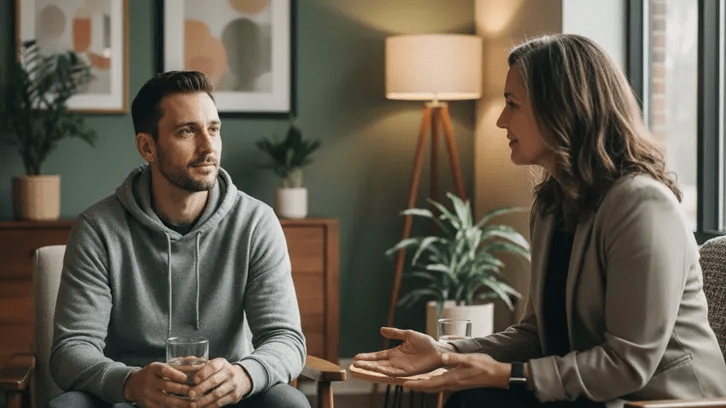
Trauma-informed therapy often serves as the foundation for treating abandonment trauma. Therapists trained in trauma and attachment recognize how past experiences shape current relationships. They build trust gradually and adjust the pace of treatment to each person’s needs. The therapeutic relationship also plays an important role in healing. A safe, consistent connection can help someone experience trust without expecting rejection or abandonment.
CBT can help identify and challenge thoughts that fuel abandonment fears. Someone may interpret a delayed response as proof that a person is pulling away. They may also avoid expressing their needs because they fear rejection. CBT helps people question these assumptions and develop healthier responses.
DBT can also help people manage the emotional effects of abandonment trauma. It teaches emotional regulation, distress tolerance, mindfulness, and interpersonal effectiveness. These skills can make intense emotions easier to manage without reacting impulsively. They can also help people communicate needs, set boundaries, and handle conflict more effectively.
Group therapy offers another valuable opportunity for healing. A supportive group allows people to experience consistent and honest relationships in a safe setting. Members can practice trust, communication, and conflict resolution with guidance from a therapist. Over time, these experiences can challenge the belief that conflict always leads to rejection or loss. When anxiety occurs alongside trauma, treatment should address both concerns together.
Residential treatment may help when abandonment trauma significantly disrupts daily life or relationships. It may also benefit people experiencing substance use or other serious mental health concerns. Residential care provides more structure and support than traditional outpatient treatment. It creates space to focus on healing without many of the pressures and triggers of daily life. This environment can help people build a stronger foundation before transitioning to less intensive care.
What You Can Do Right Now
A few things that are genuinely useful, without being prescriptive about what your path looks like:
Notice the pattern without immediately trying to fix it. Most people with abandonment trauma have spent years blaming themselves for their reactions. Naming what’s happening — “this is an abandonment response, not a reasonable read of the situation” — is a different relationship with the pattern than being swept away by it.
Learn your specific triggers. For most people, it’s not rejection in general — it’s a particular tone of voice, a specific type of silence, the felt sense of someone going through the motions. Knowing your triggers gives you a moment between the trigger and the reaction.
Consider what “safe” has looked like in your life versus what you’ve actually pursued. The gap between those two things is often informative.
And if you’ve recognized yourself in this and feel like the pattern is genuinely running your relationships rather than just occasionally influencing them, that’s worth talking to someone about.
The Pattern Can Change
If you’ve read this far and recognized yourself in it, that recognition is real and it matters. Abandonment trauma is one of the more common undercurrents in both mental health struggles and substance use, and it’s also one of the more treatable — not quickly, and not without discomfort, but genuinely.
The team at Fountain Hills Recovery works with people carrying trauma alongside other challenges, and the conversation starts simply. Reach out whenever you’re ready, or spend a few minutes now to check your insurance coverage so that piece is already handled when you decide to move forward.