
I didn’t want to come back.
Not because I didn’t need it.
But because of what it meant.
At least, what I thought it meant.
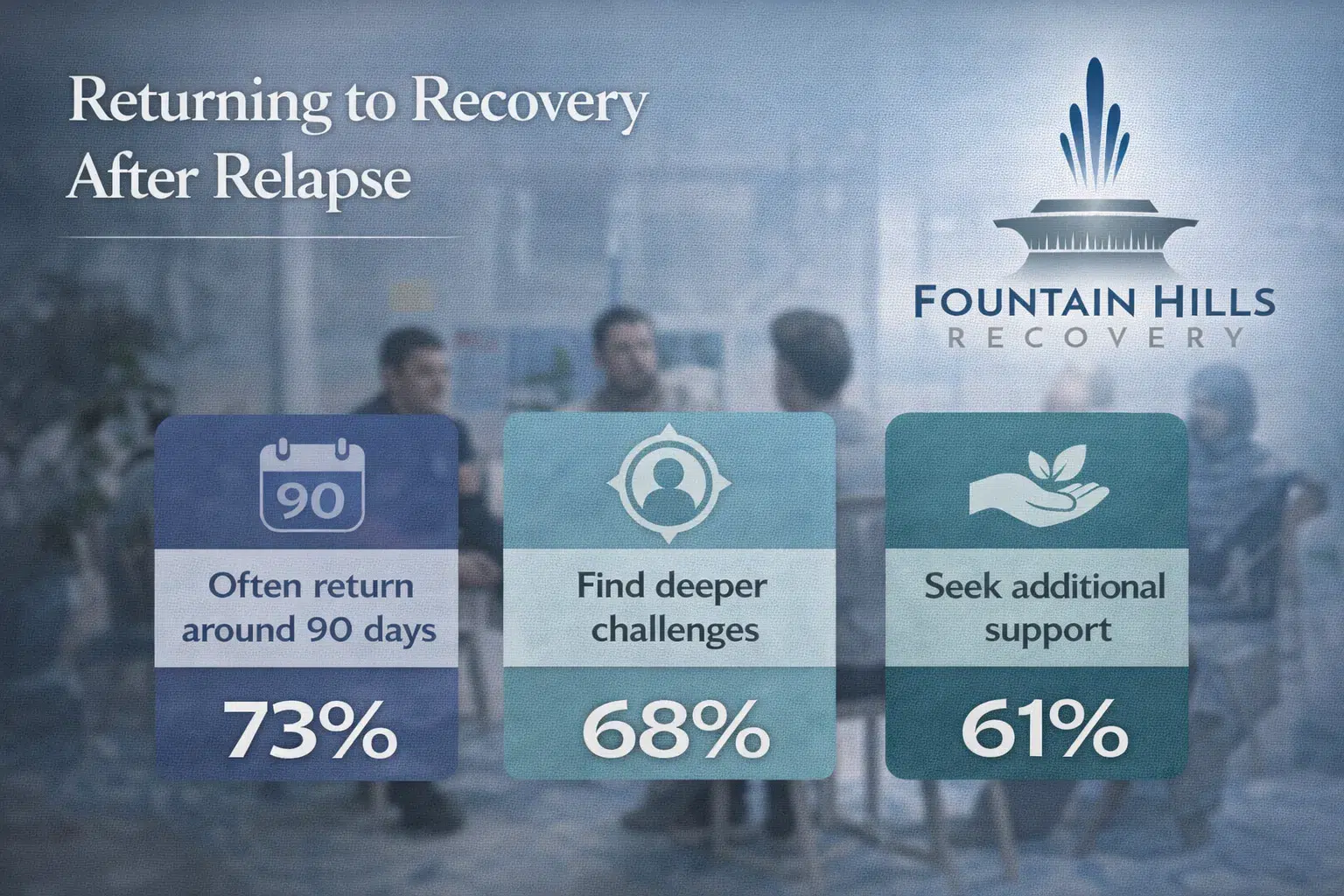
I had 90 days.
I had momentum.
I had people saying, “You’re doing so well.”
And then… I wasn’t.
The relapse itself was one thing.
But the decision to come back? That hit deeper.
Because it came with a thought that wouldn’t leave me alone:
“I already had my chance.”
If you’re sitting in that space right now—knowing something needs to change, but feeling like you shouldn’t be here again—I want you to hear this clearly:
You’re not the only one who’s felt this way.
And this moment? It’s not the end of your story.
Somewhere in that tension, a lot of people quietly start looking again at help for alcohol use and recovery—not because they feel strong, but because they’re tired of pretending they’re okay.
It Didn’t Feel Like Courage—It Felt Like Proof I Failed
Walking back didn’t feel brave.
It felt like exposure.
Like everyone could see what I couldn’t hide anymore.
I kept thinking:
- “I should’ve held onto it.”
- “Other people don’t end up back here.”
- “This means I didn’t really change.”
It didn’t matter how anyone else framed it.
Inside, it felt like I had undone everything.
Like those 90 days didn’t count anymore.
But here’s what I didn’t understand yet:
Relapse doesn’t erase progress.
It reveals where support is still needed.
The Part After Early Sobriety No One Explains Well
The first stretch of sobriety has structure.
You know what you’re doing.
You know what you’re working toward.
There’s a sense of direction.
But then something shifts.
Life opens back up.
And suddenly, you’re not just staying sober—you’re managing stress, relationships, boredom, expectations… all without the thing you used to rely on.
That’s where it got harder for me.
Because:
- The structure faded
- The accountability loosened
- The emotional weight got heavier
And I didn’t know how to handle that part yet.
Relapse Wasn’t Sudden—It Was Quiet
At the time, it felt like it came out of nowhere.
But looking back, it didn’t.
There were signs.
Not big ones.
Small ones:
- Skipping routines that used to ground me
- Isolating more than I admitted
- Telling myself I was “fine” when I wasn’t
Nothing dramatic.
Just a slow drift.
And the thing about a slow drift is—you don’t notice how far you’ve gone until you look back.
The Moment I Realized I Couldn’t Fix It Alone
I tried.
Of course I did.
I told myself:
- “I know what to do.”
- “I’ve already done this once.”
- “I just need to get back on track.”
But it didn’t work the same way.
Because this wasn’t about starting over.
It was about going deeper.
And I didn’t have all the tools for that yet.
That’s when the shift happened.
Not in confidence.
In honesty.
“I need help again.”
Coming Back Isn’t Starting Over
This is the part I wish someone had said to me sooner.
You’re not going back to square one.
You’re coming back with:
- Awareness you didn’t have before
- Experience you’ve already lived through
- A clearer understanding of your patterns
The first time, you’re learning how to stop.
The second time, you’re learning how to stay.
That’s a different kind of work.
And it matters.
The Shame Is Loud—But It’s Not Accurate
Shame tells you things that feel true.
“You blew it.”
“You wasted your chance.”
“You don’t deserve another shot.”
But shame isn’t a reliable narrator.
It doesn’t tell you:
- That you made it 90 days
- That you learned things you didn’t know before
- That you’re still trying
It only focuses on what went wrong.
You don’t have to believe everything shame tells you.
Especially not this.
You’re Not the Only One Who Comes Back
It just feels like you are.
Because people don’t always talk about it.
But a lot of people return.
Not because they didn’t care.
Not because they didn’t try hard enough.
Because recovery isn’t linear.
It’s layered.
And sometimes, it takes more than one round to understand what actually works for you.
That’s not failure.
That’s part of the process.
What Changed the Second Time
It wasn’t effort.
I had effort the first time.
It was honesty.
I stopped:
- Pretending I had it figured out
- Hiding the parts that felt messy
- Telling myself I was “fine” when I wasn’t
And I started paying attention to:
- What actually triggered me
- What I avoided emotionally
- Where I needed more support—not less
That changed everything.
Not overnight.
But steadily.
You Don’t Have to Carry This Alone Again
Trying to fix this on your own can feel like the right thing to do.
Like you should be able to handle it.
But recovery isn’t meant to be done alone.
Some people come back and look for help in Scottsdale Addiction Rehab and Mental Health—something that fits into their current life.
Others step into help in Fountain Hills Drug, where they can reset, refocus, and build something more stable.
There’s no single right way to return.
Just the way that helps you move forward.
The Part That Feels Small—but Isn’t
Coming back doesn’t feel like a big, brave decision.
It feels quiet.
Uncomfortable.
Sometimes even reluctant.
But it matters.
Because it means you didn’t give up.
Even when it would’ve been easier to.
What People Often Realize After They Come Back
There’s something many people say—though not always right away.
“I thought this meant I failed… but it actually helped me understand myself better.”
“The second time felt different—not easier, but more real.”
“I wasn’t starting over. I was picking up where I left off—with more awareness.”
That shift doesn’t erase what happened.
But it changes what it means.
Frequently Asked Questions
Does relapse mean I failed?
No. It means something still needs attention. It doesn’t erase the progress you made.
Is it common to come back after 90 days?
Yes. Many people find that deeper challenges show up after early recovery.
Will I have to start from scratch?
No. You bring your experience and insight with you.
What if I feel ashamed to return?
That’s normal. But you don’t have to resolve the shame before taking the step.
What if people judge me?
Most people in recovery understand this experience more than you think.
Can recovery still work for me?
Yes. Especially with the awareness you’ve already gained.
The Truth I Had to Learn the Hard Way
Coming back didn’t mean I failed.
It meant I was still in it.
Still trying.
Still willing.
Still not ready to give up.
And that matters more than getting it right the first time.
If You’re Standing at That Door Again
You don’t have to feel ready.
You don’t have to feel confident.
You don’t even have to feel hopeful yet.
You just have to be willing to not stay where you are.
That’s it.
That’s the step.
If you’re thinking about coming back and it feels heavy, you don’t have to carry that alone.
Call (800) 715-2004 to learn more about our alcohol addiction treatment in Scottsdale, Arizona.